Stop Filming Africa Like This: Do Better
Alright, let’s keep it a buck.
Filming across Africa or anywhere that’s traditionally underrepresented, comes with a responsibility.
Not just to get the pretty shots, but to get the story right.
Too often, African stories are filtered through what people call the “Western gaze.” You know the drill: exoticise the culture, oversimplify the people, lead with struggle, and flatten an entire community into whatever narrative feels easiest for an outside audience to understand.
And honestly?
It’s boring. It’s lazy. And people of that culture can feel when it’s happening, even if your audience is entertained via ignorance.
We’re not about that life. At all.
My approach is rooted in nuance and allowing African voices to speak for themselves. Not as somebody else’s idea of Africa. We need to see joy, complexity, humor, ambition, and agency.
Here’s how I try to make sure the documentaries we create actually reflect the richness and humanity of the communities we film.
1. Understanding Before Filming
Before a camera ever rolls, we spend serious time in research mode.
And I don’t just mean Google research or our AI friends.
I’m talking about real conversations with real humans. Observing. Listening. Asking questions. Understanding the culture, history, language, politics, and everyday rhythms surrounding the story.
Context is ABSOLUTELY non-negotiable!!!!!!!
A small detail, a gesture, a phrase, a local routine - all of these can completely change the meaning of a scene. Miss it, and you could unintentionally reinforce the exact stereotype you thought you were challenging.
The camera may capture what happened.
Context helps us understand what it means.
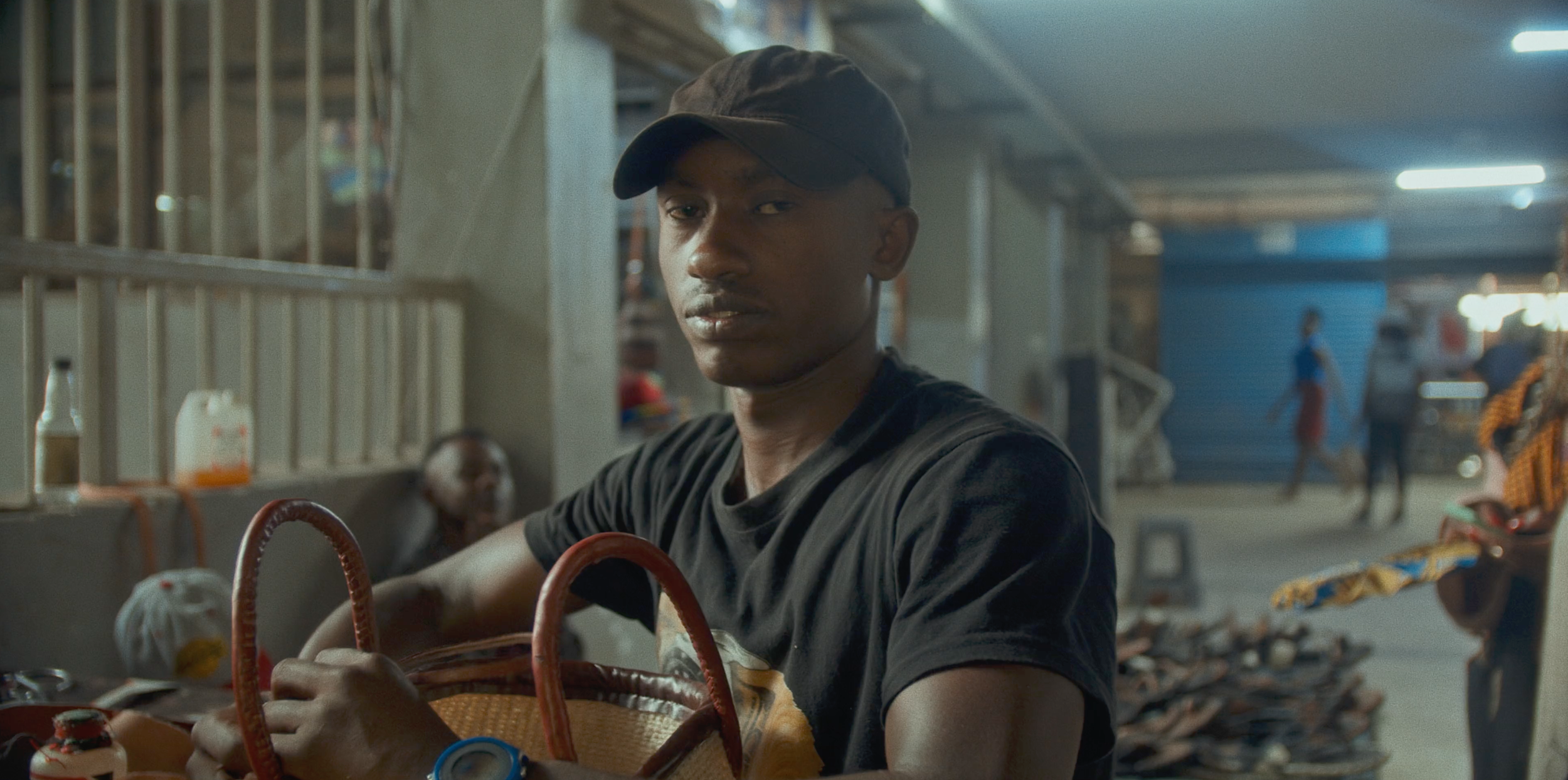
Mwariro Market (Nairobi, Kanya)
2. Centering the Community
I don’t just “document” people.
I collaborate with them.
The community’s perspective should shape the story from concept through execution. That means listening to what people believe matters, not just arriving with a predetermined narrative and looking for footage that proves it.
When filming in Kenya, for example, we worked closely with locals to shape a narrative around entrepreneurial spirit and everyday life. The goal wasn’t to manufacture inspiration or lean into “poverty porn.” It was to show people living, creating, problem-solving, and moving through the world with agency.
That difference matters.
People know when a story is being told with them.
They also know when it is being taken from them.
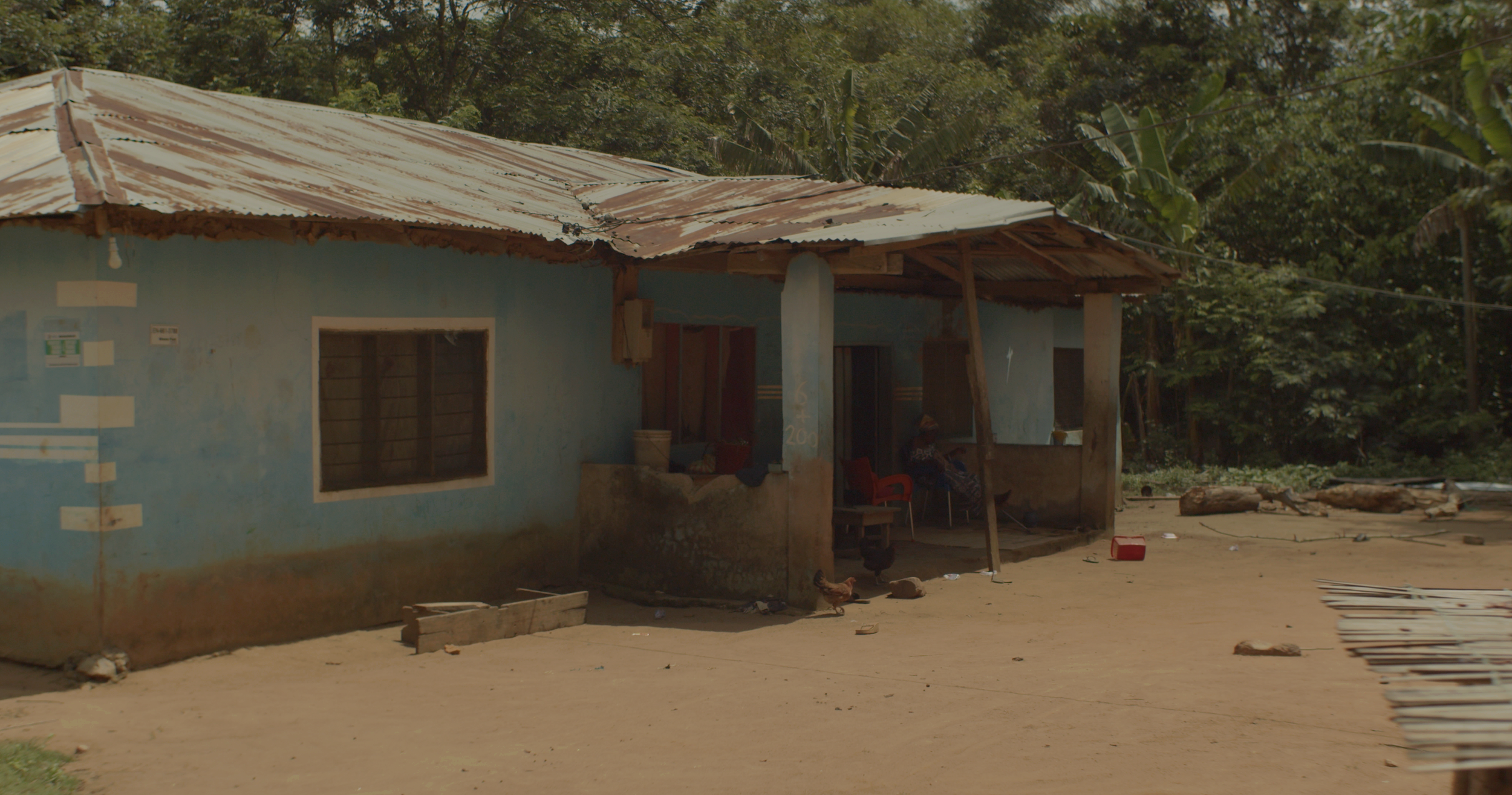
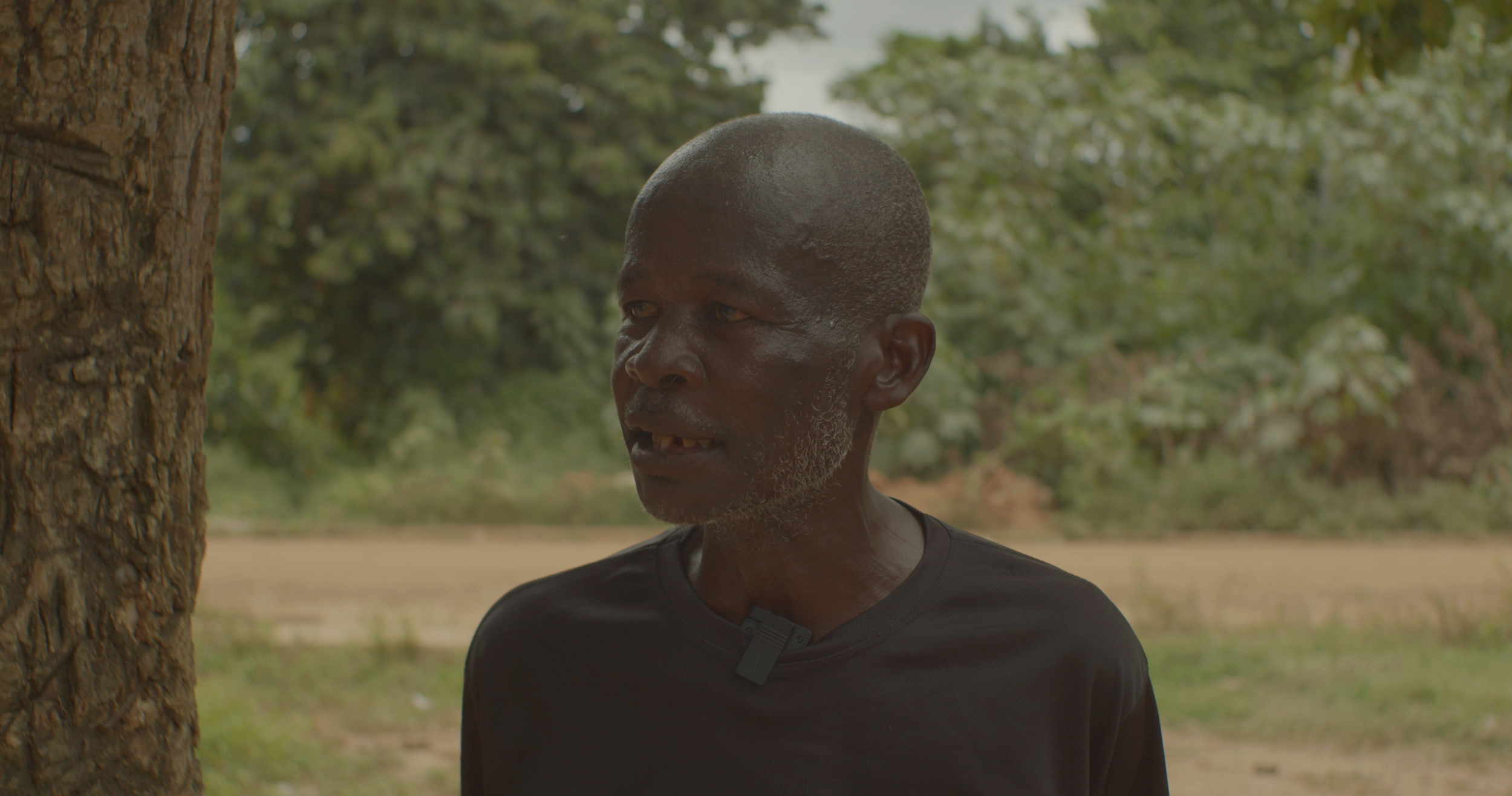
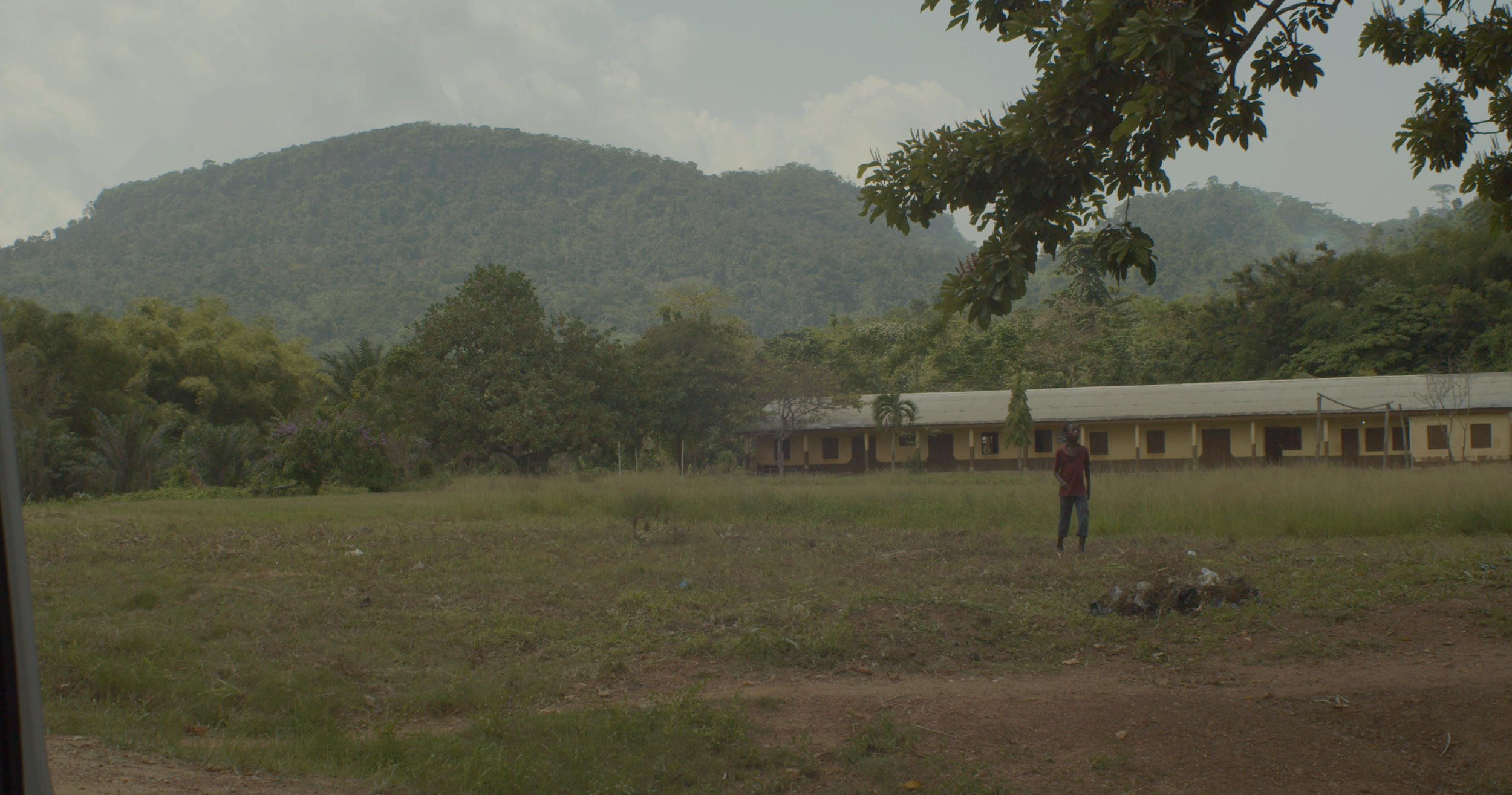
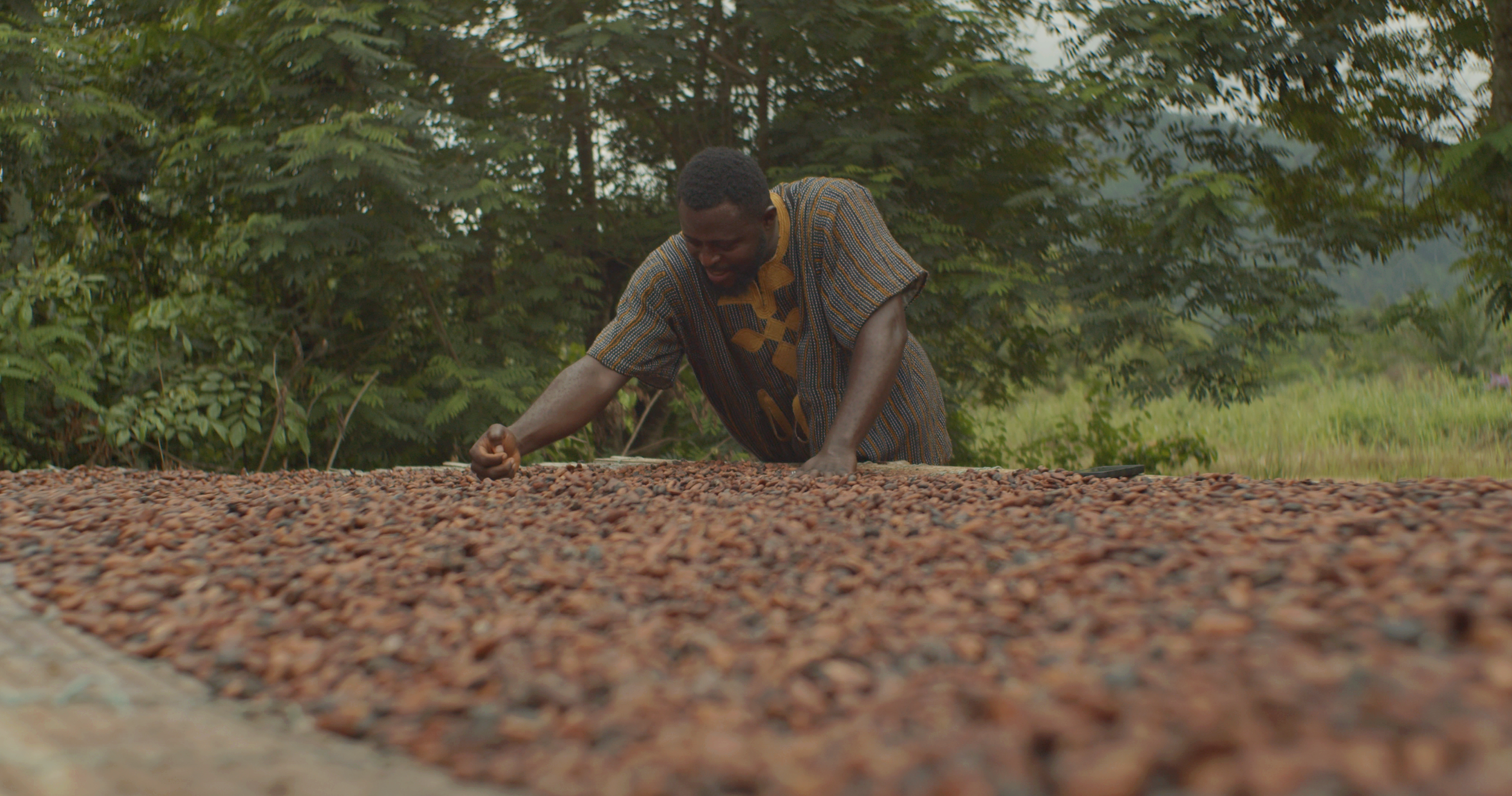
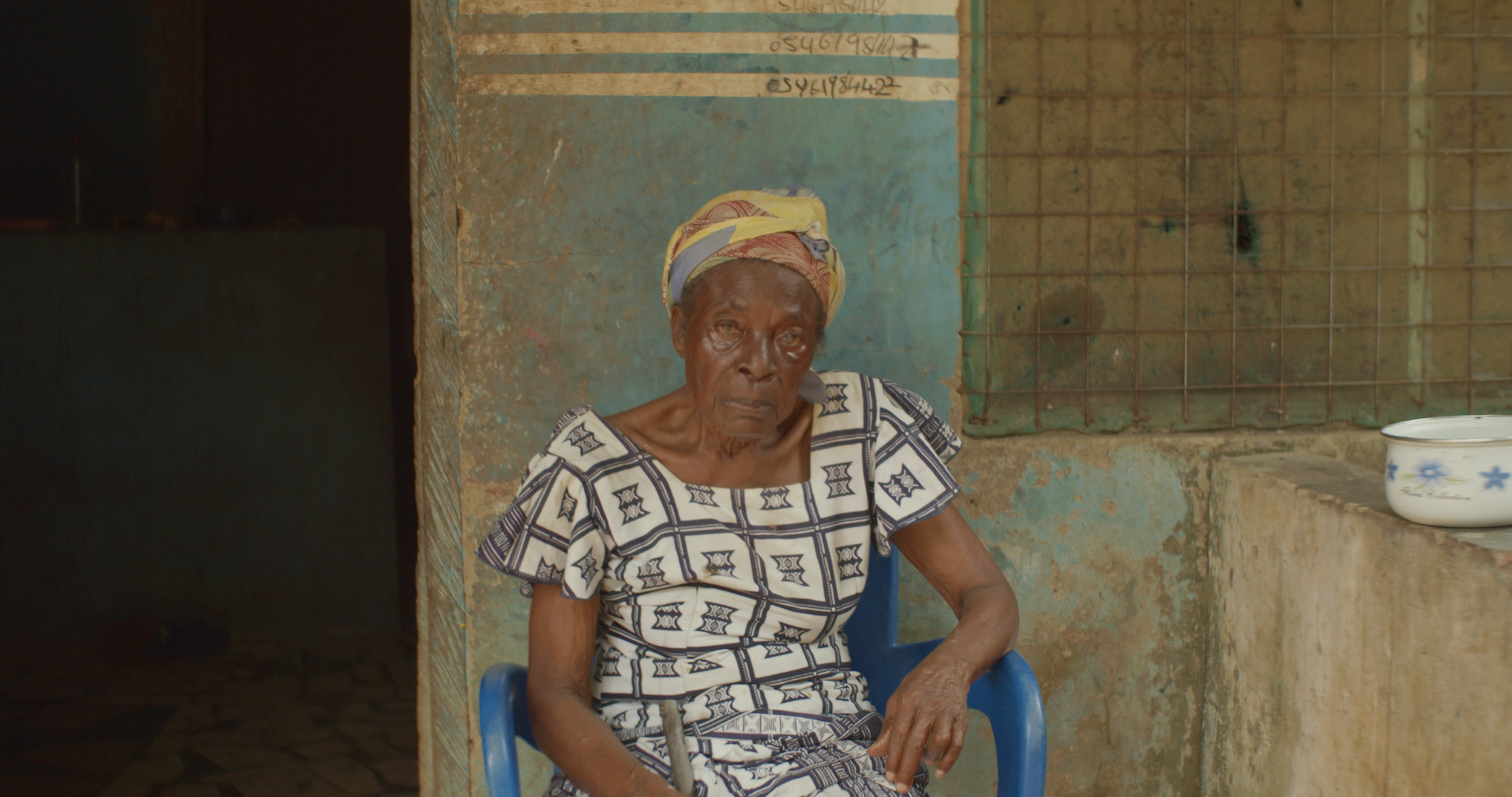
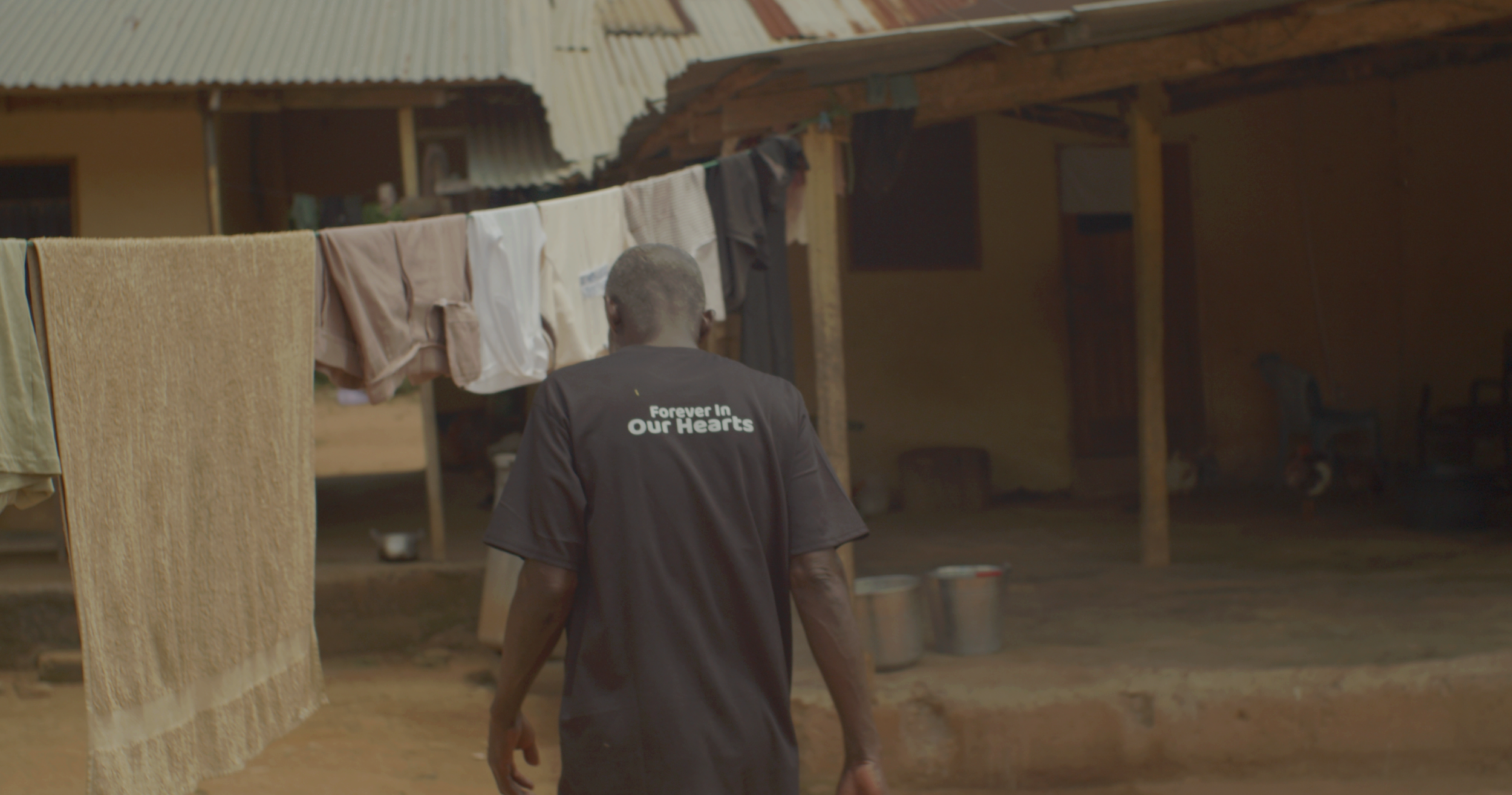
Above: Kofidura, Ghana
3. Filmmaking With Integrity
This is where a lot of filmmakers slip.
Pretty shots are easy.
Meaningful shots require integrity.
We constantly ask ourselves:
Are we portraying people as full human beings, or using them as props inside a narrative we decided on before we arrived?
Are we showing complexity, or only selecting the moments that support the most dramatic version of the story?
Are we aestheticizing struggle?
One of the easiest traps is assuming struggle automatically equals story.
It doesn’t.
A full life contains celebration, boredom, humor, ambition, grief, tenderness, frustration, victory, and all the small stuff in between. If we only turn the camera on when someone is suffering, we aren’t showing their life. We’re showing our limited imagination of it.
4. Embracing African Aesthetics
We don’t believe African stories need to be forced into Western storytelling templates to be understood.
African stories carry their own rhythms, pacing, visual language, humor, spirituality, and sense of time. Our job isn’t to “fix” that for an outside audience.
Our job is to honor it.
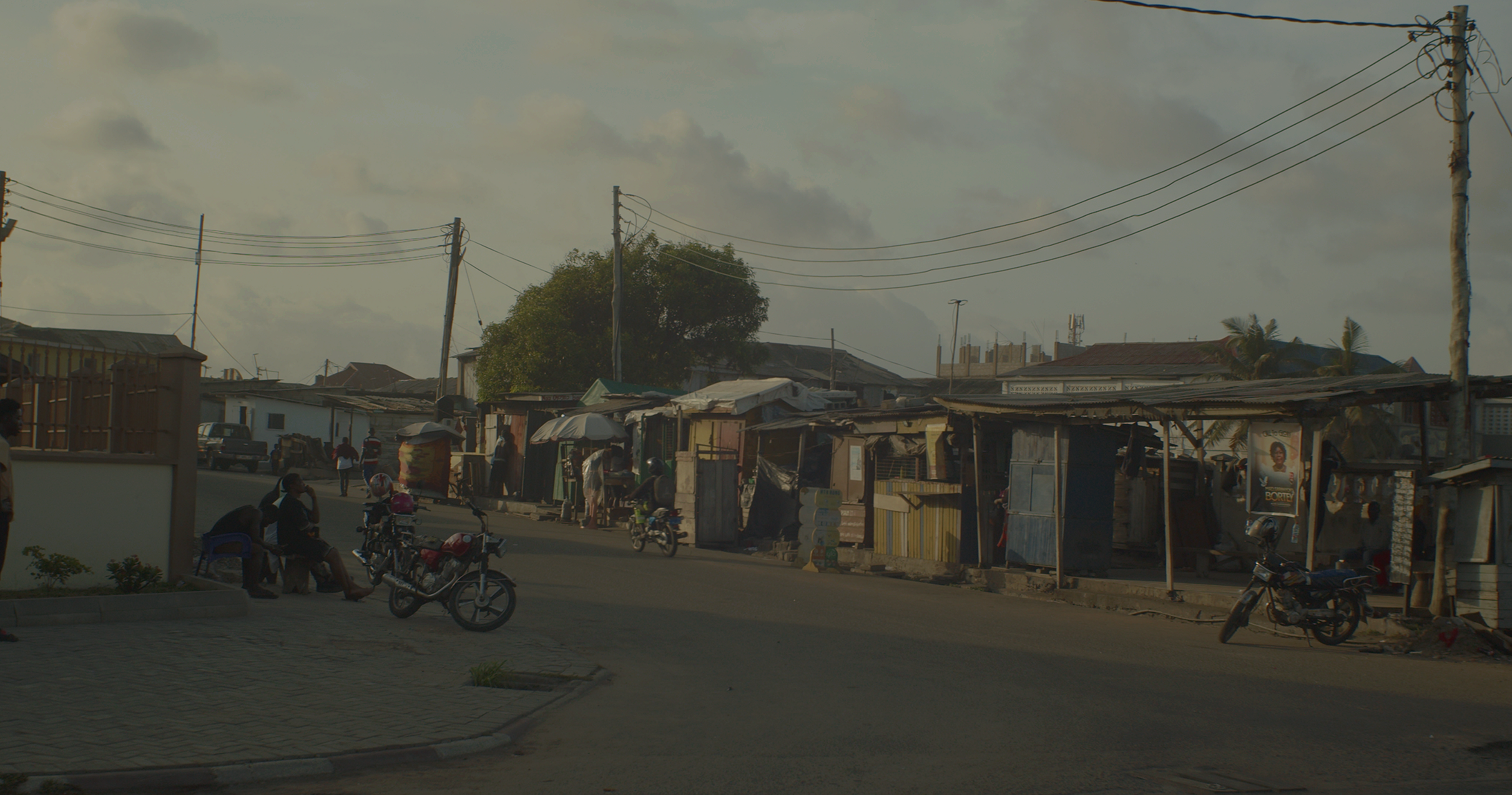
One of my favorite things is simply letting the camera linger. Watching daily life unfold. Catching the micro-interactions, gestures, glances, pauses, and expressions that faster editing often rushes past.
Sometimes a story doesn’t need another line of narration or a bunch of cuts and sound effects.
Sometimes it needs space and stillness.
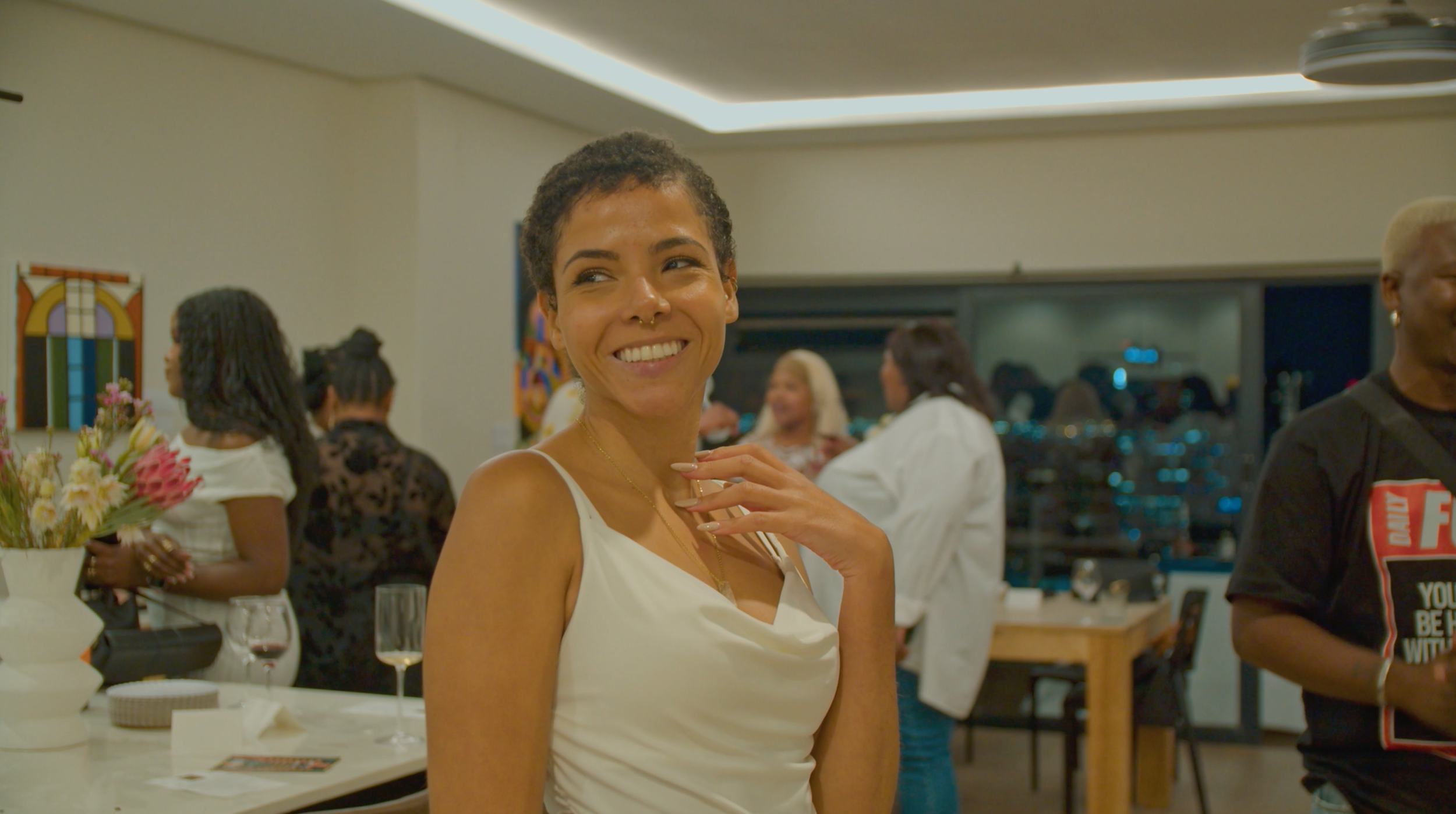
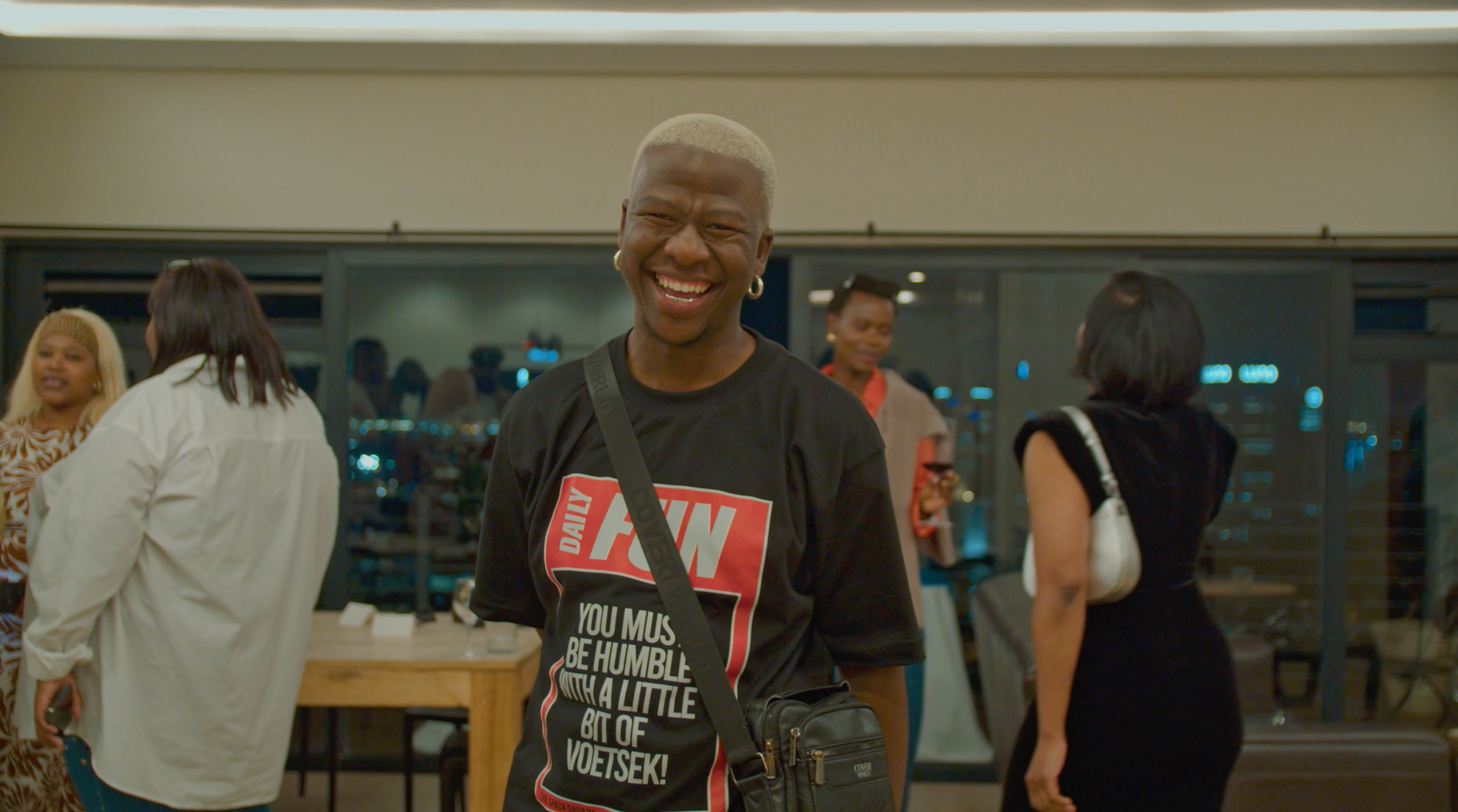
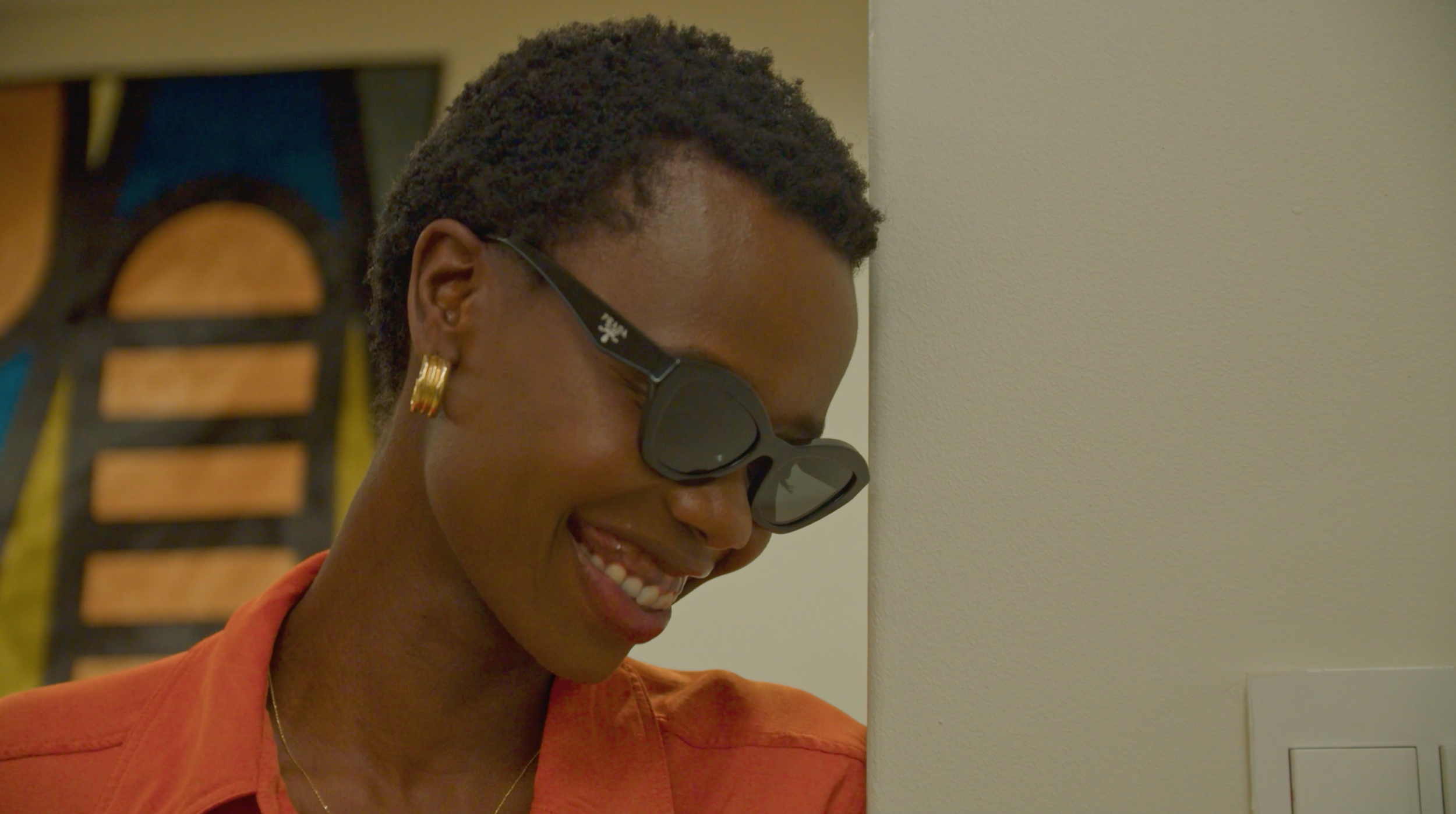
Above: Cape Town, South Africa
5. Creating Space for Reflection
We leave room for silence, thought, and emotion.
The audience doesn’t need to be spoon-fed every meaning. They can be invited into the experience and trusted to sit with what they see.
That’s part of the magic.
When a film leaves room to breathe, the audience has room to process. They have time to notice. To connect. To feel something without being told exactly what that feeling should be.
Less commentary.
More humanity.
That quiet can carry more weight than another paragraph of voiceover ever could.
Bonus Tip: Pause from the interviews and voiceover and bring up sound from a candid moment or conversation happening.This oftentimes gives your audience the feeling of living IN that moment with your subjects on screen; creating a shared emotion and life.
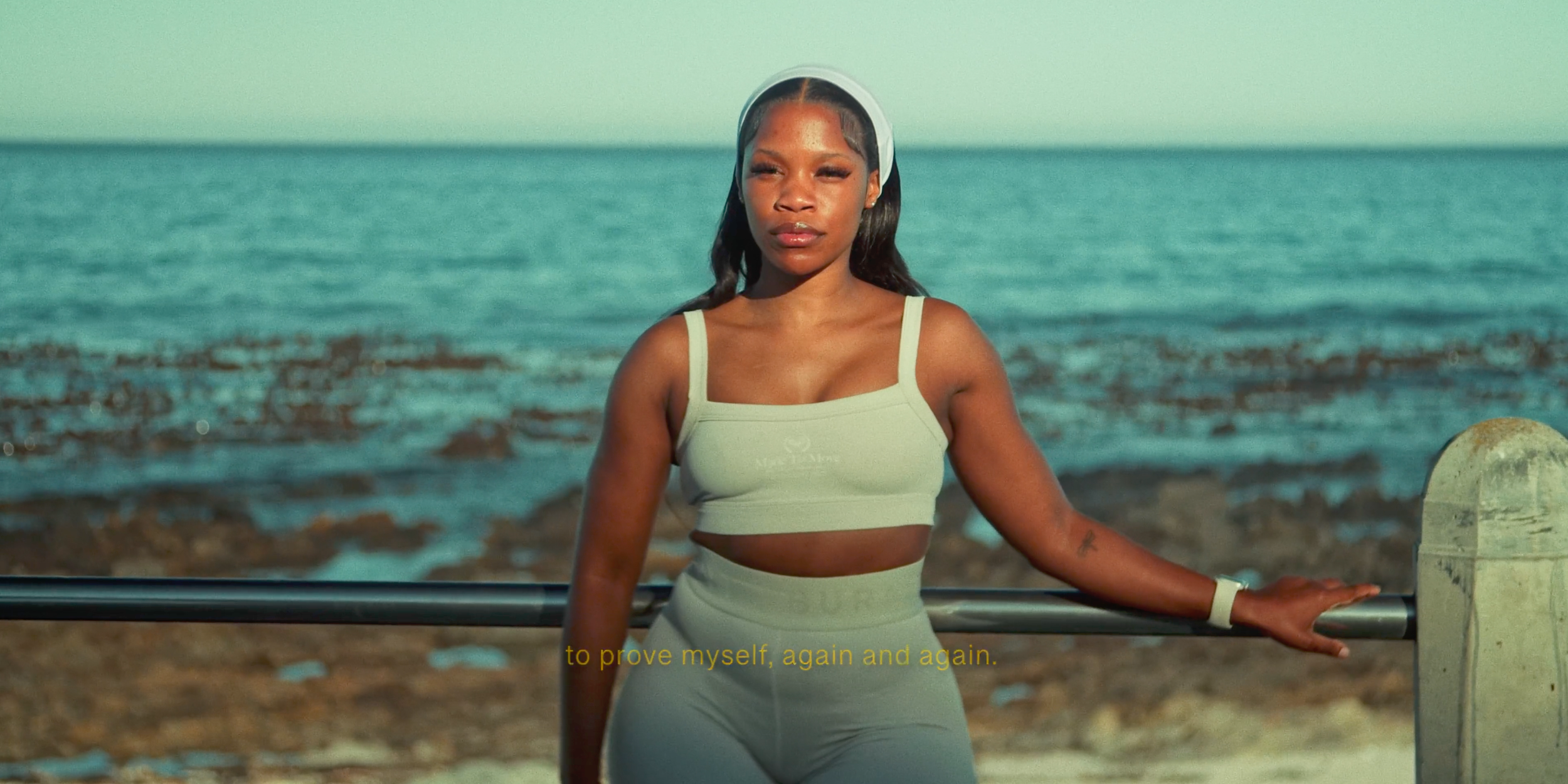
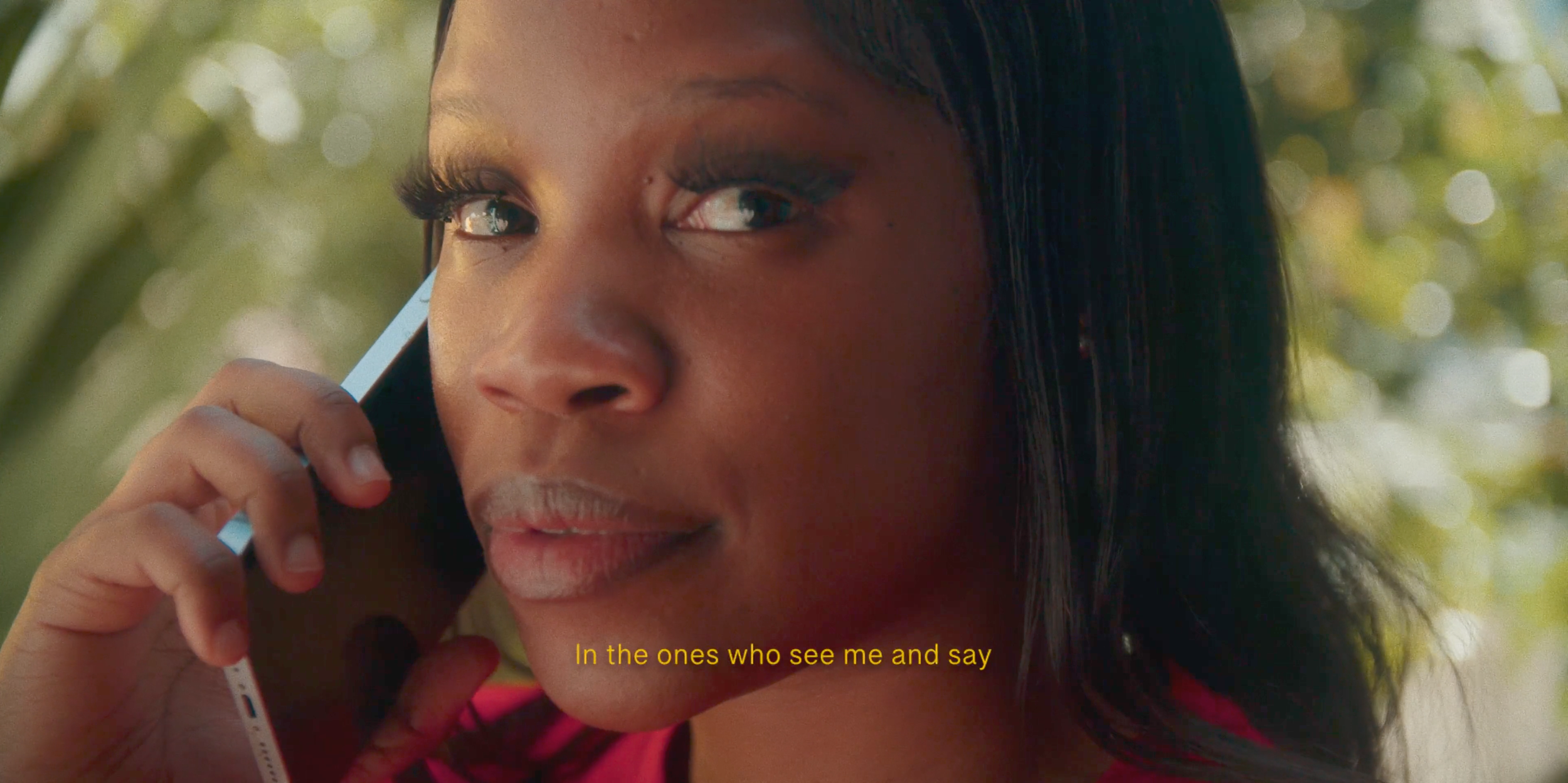
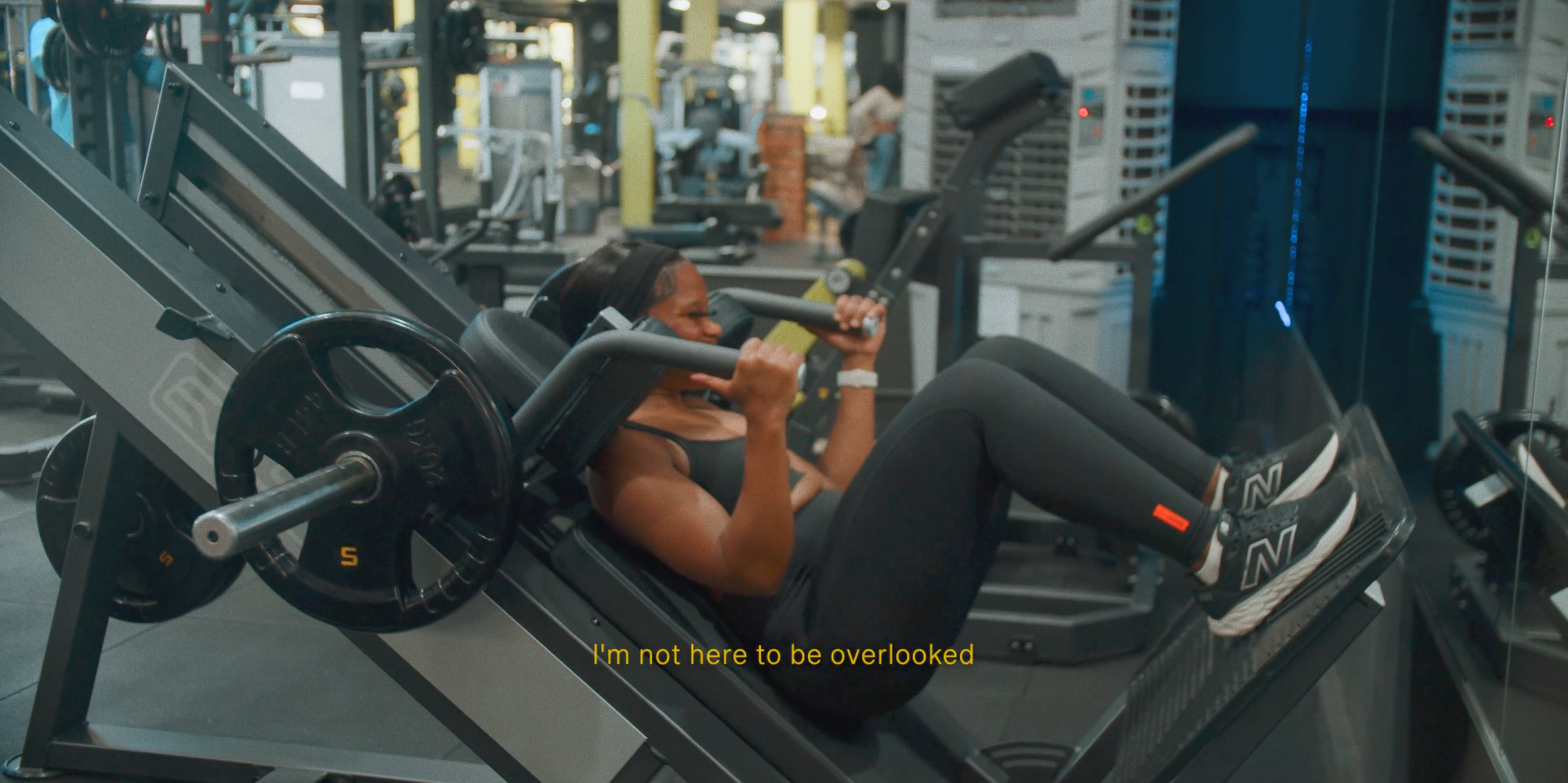
Above: Cape Town, South Africa
Authenticity Is Also a Risk Decision
Here’s the piece organizations can’t afford to overlook:
Falling into harmful tropes is not only a creative failure.
It is a narrative risk.
For CSR, CSI, and ESG teams, the way a community is portrayed can affect public trust, partner relationships, employee confidence, donor perception, and the credibility of the work itself.
A film may be technically beautiful and still communicate the wrong thing.
It may center pain while ignoring agency.
It may simplify a complicated issue into a neat success story.
It may make the organization look heroic while reducing the community to proof of impact.
It may use language or visuals that land completely differently outside the room where they were approved.
And once the story is public, the organization no longer controls how people interpret it.
That’s why narrative risk has to be examined before production, not after the comments start rolling in.
These are leadership questions.
And increasingly, governance questions.
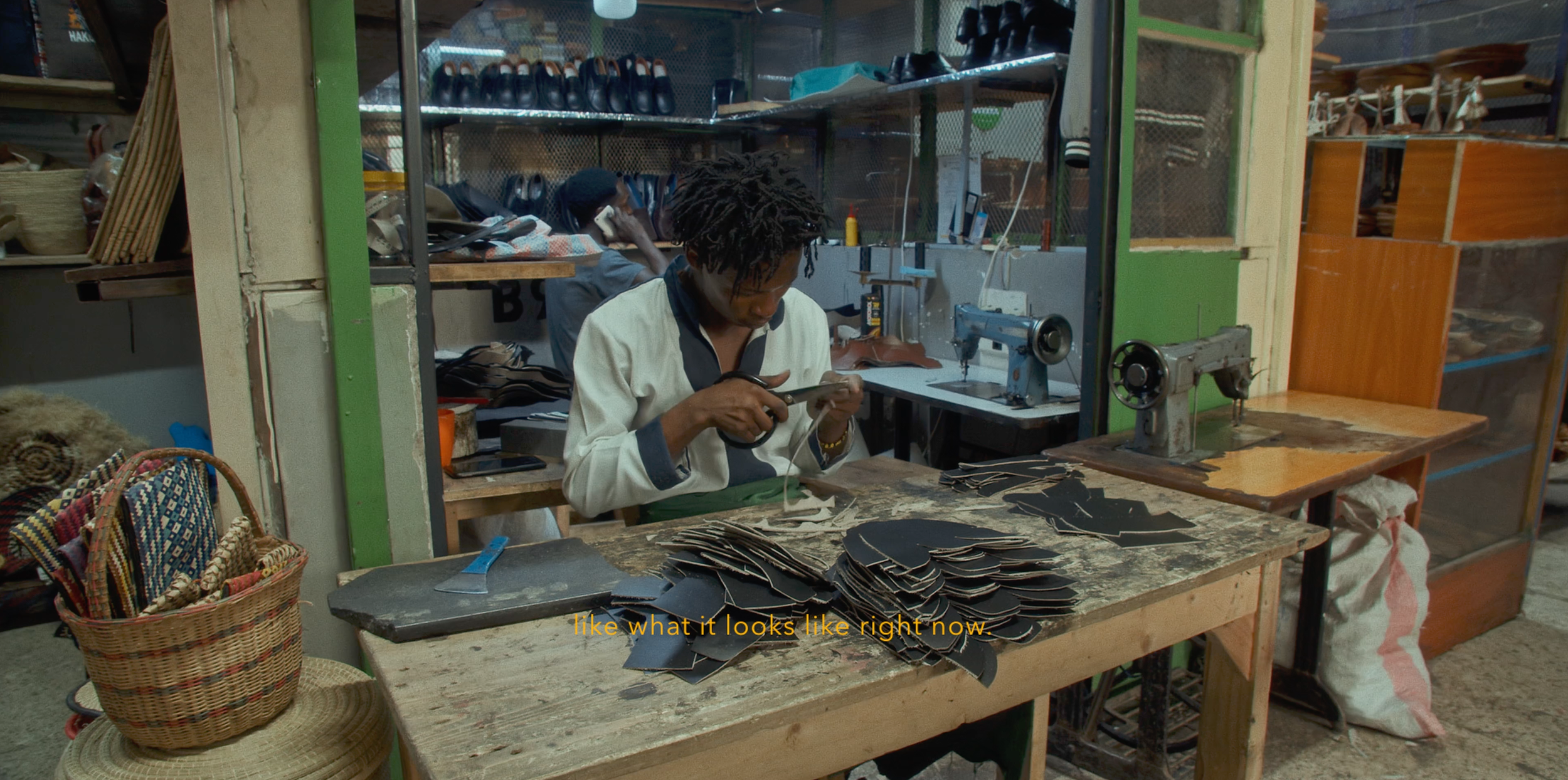
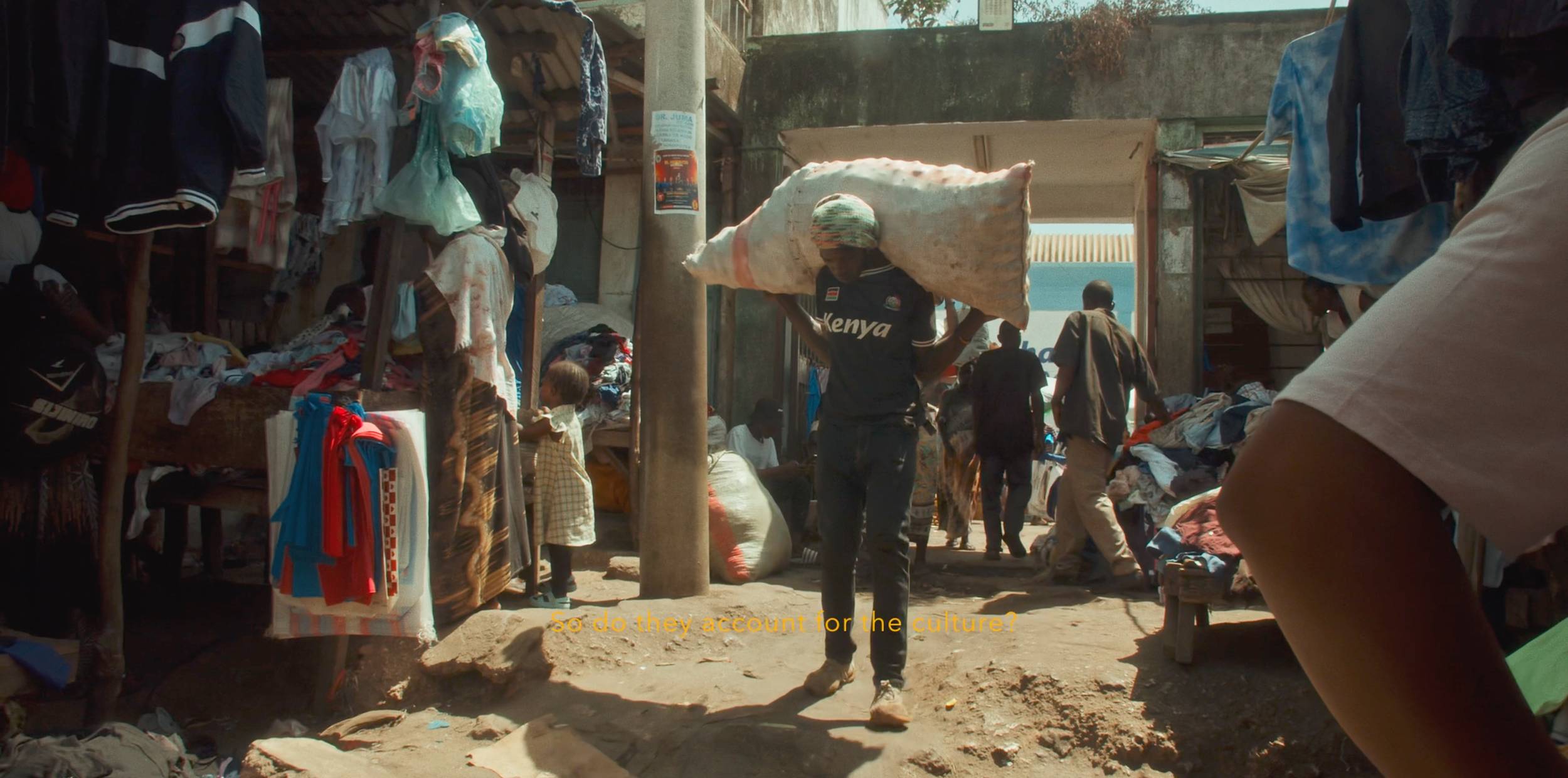
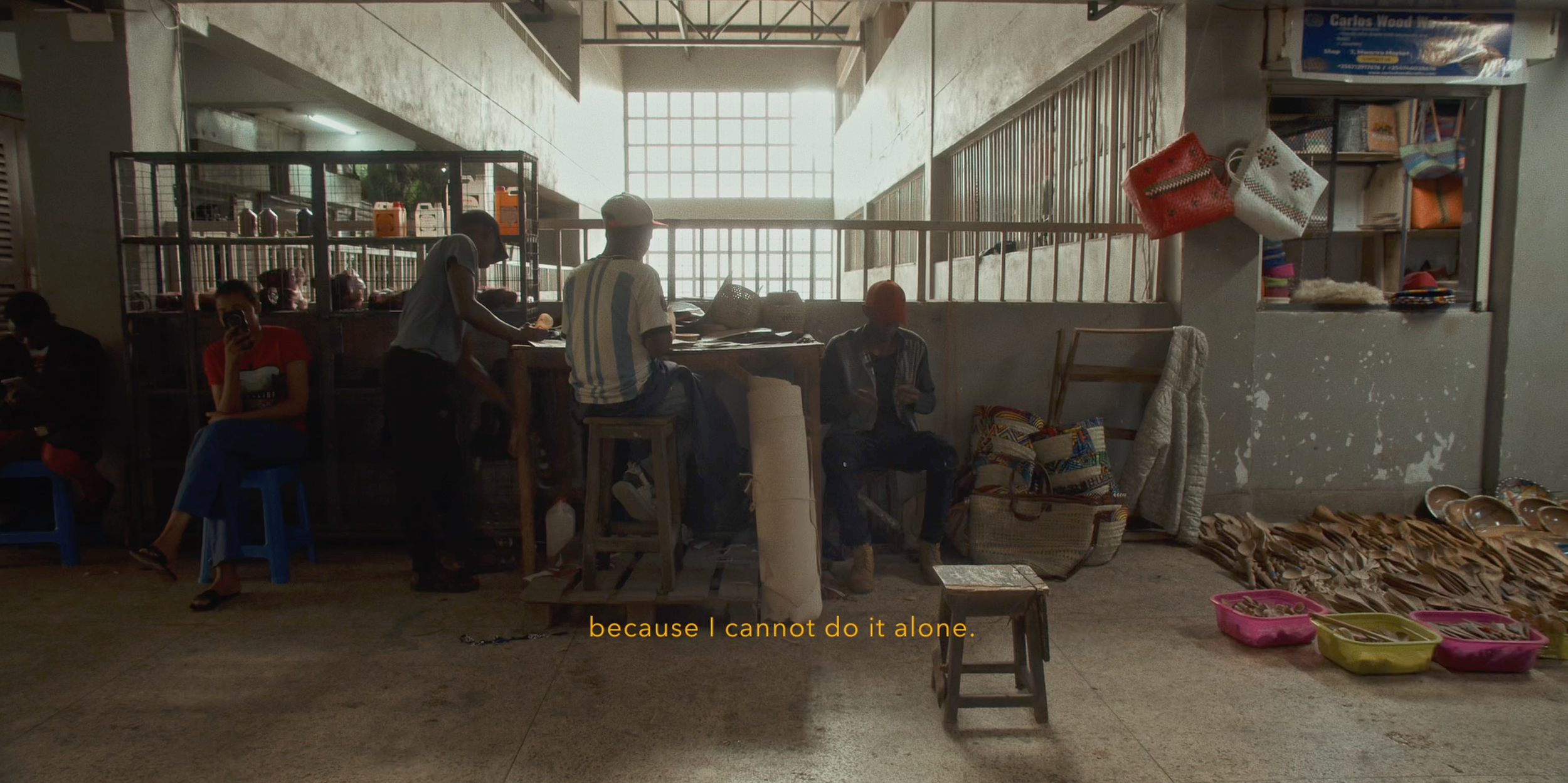
Above: Nairobi & Mombasa, Kenya
The Narrative Risk Audit
That’s exactly why we created the Narrative Risk Audit for CSR, CSI & ESG Teams.
It is a practical tool designed to help organizations identify representational, cultural, ethical, and reputational risks before an impact story enters production.
The audit helps teams look more closely at:
who is being centered
which narratives are being reinforced
where context may be missing
how power is represented
how the story could be interpreted across cultures
and whether the organization’s intention actually matches the impact of the final piece
Because good intentions don’t automatically create responsible stories.
The questions have to come first.
Download the Narrative Risk Audit for CSR, CSI & ESG Teams (HERE)
Basically What I’m Saying Is