Your Camera Isn’t the Problem
Why ICLASS Media still shoots documentaries on an eight-year-old camera and what that taught us about choosing the right tools.
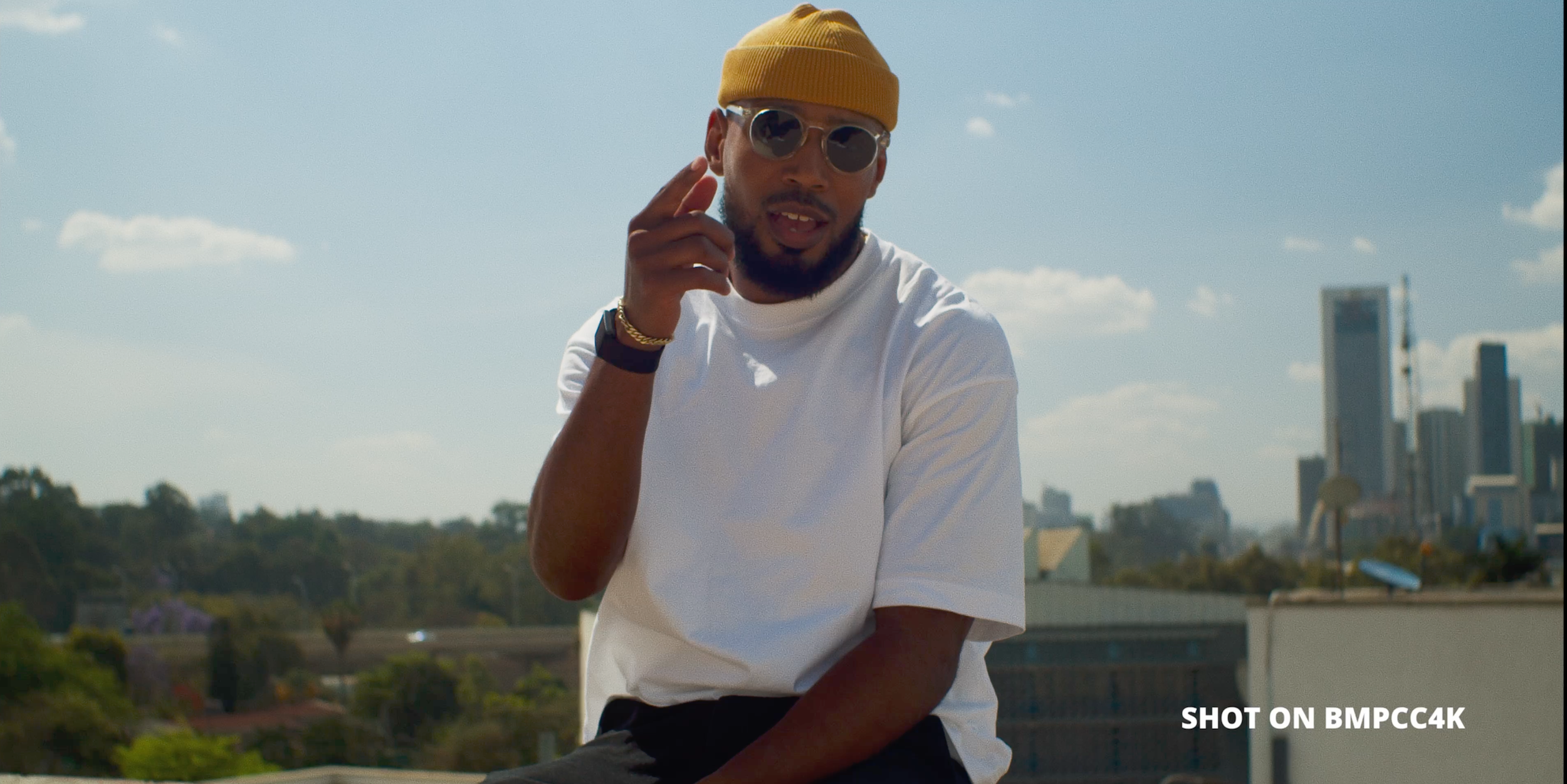
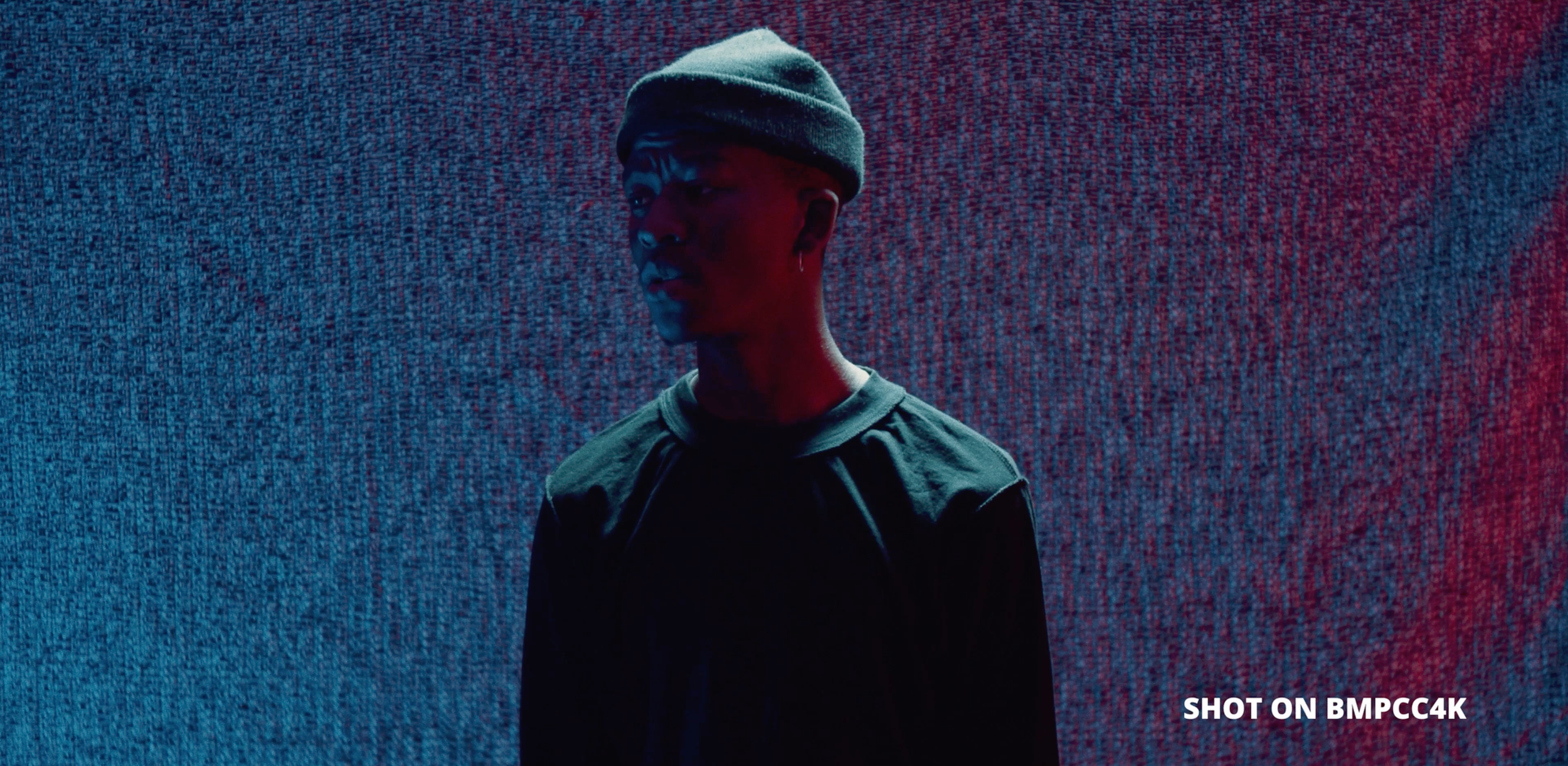
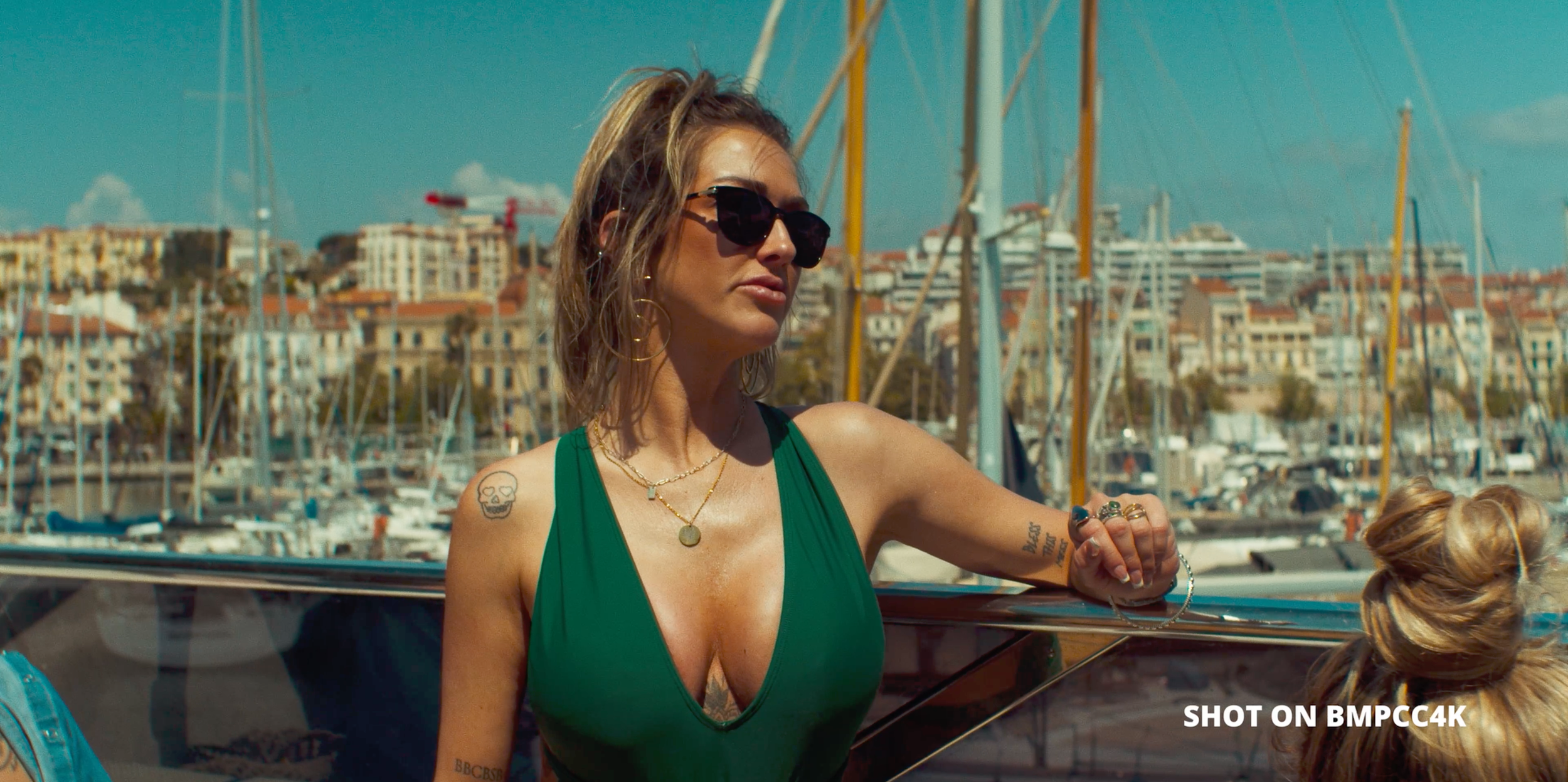
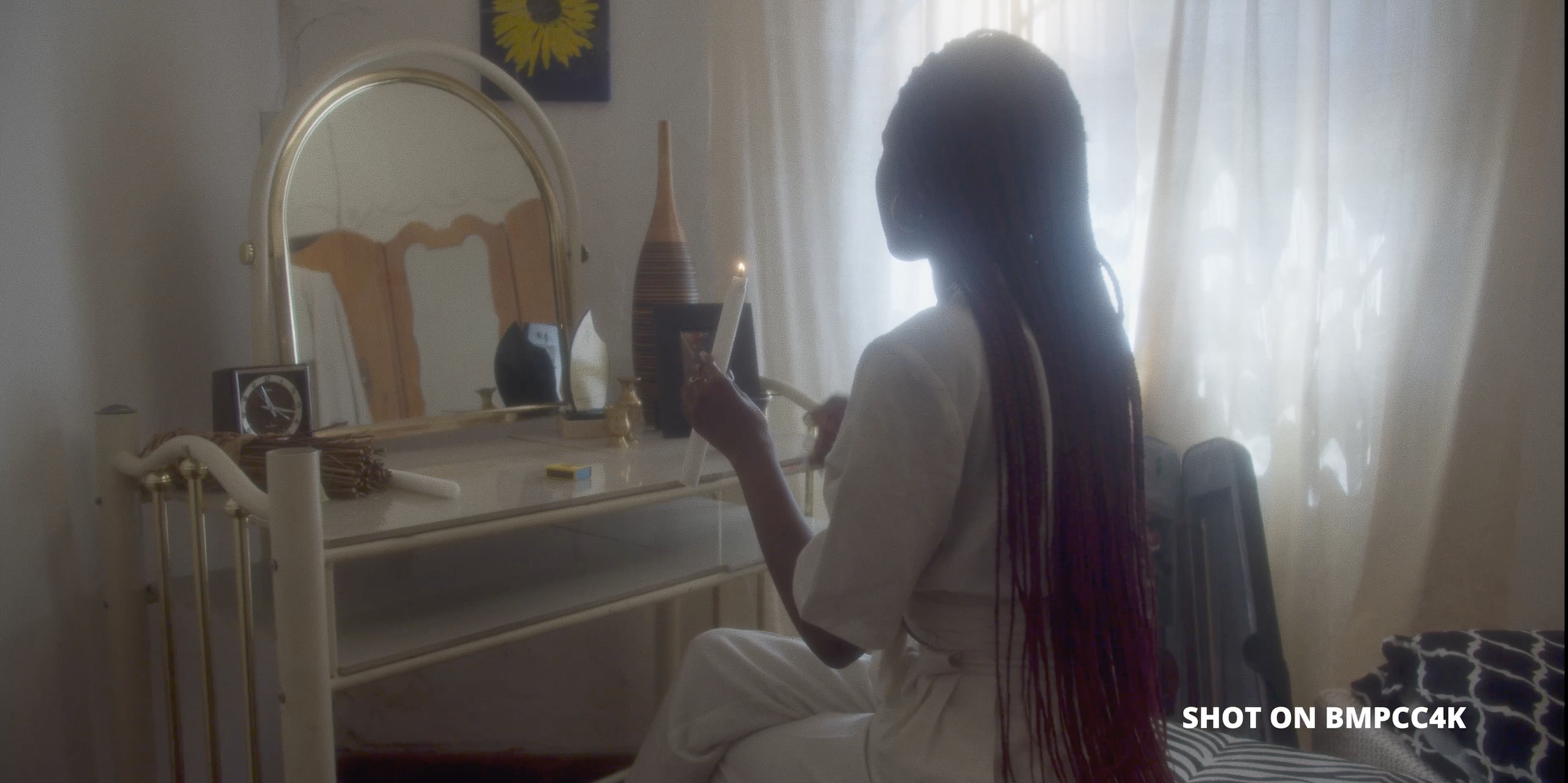
If you’re wondering what’s in our kit, the main star is Blackmagic. Why? You get insane color depth, cinematic quality, and flexibility in post that’s perfect for storytelling that needs soul.
The pros? The image quality is buttery, it handles natural light beautifully, and it’s versatile for both handheld and gimbal shots because of its size.
The cons? Sure, it’s a little quirky with batteries and everyone’s complaint about auto-focus. But cinema cameras don’t have auto-focus, so like - don’t buy a cinema camera if you don’t want to pull focus. Ya know?
And honestly? The results are worth every little headache.
But Here’s the Bigger Thing:
The Camera Is Not the Strategy
This is probably the most important part of this whole article.
At ICLASS Media, we’ve been evolving beyond simply asking, “How are we going to shoot this?”
We start much earlier now.
What is the actual story?
Who needs to hear it?
What do we want them to understand, feel, or ultimately do after experiencing it?
Where is the story going to live?
How intimate do we need to be with the people we’re filming?
What kind of access does this story require?
Only after we understand those things should we start arguing about cameras.
Because a $50,000 camera pointed at a story nobody cares about… is still a story nobody cares about.
A great cinematographer can outshoot somebody with a much more expensive camera if they understand composition, exposure, art direction, wardrobe and, most importantly, narrative. Gear cannot fix the fundamentals.
That idea has become increasingly important to how we work at ICLASS.
Find the story first. Then build the system around telling it.
The technology should support that strategy.
Not the other way around.
Enter the Blackmagic Pocket 4K
And once we do get to the camera conversation, this little cam has been riding with us for years.
The Blackmagic Pocket Cinema Camera 4K was announced all the way back in April 2018. Eight years later, Blackmagic still sells the body, and the current camera still offers a 4K DCI sensor, 13 stops of advertised dynamic range, dual native ISO, an active Micro Four Thirds mount, Blackmagic RAW and ProRes recording.
Blackmagic currently lists it at $1,139, and used, some are going for $700.
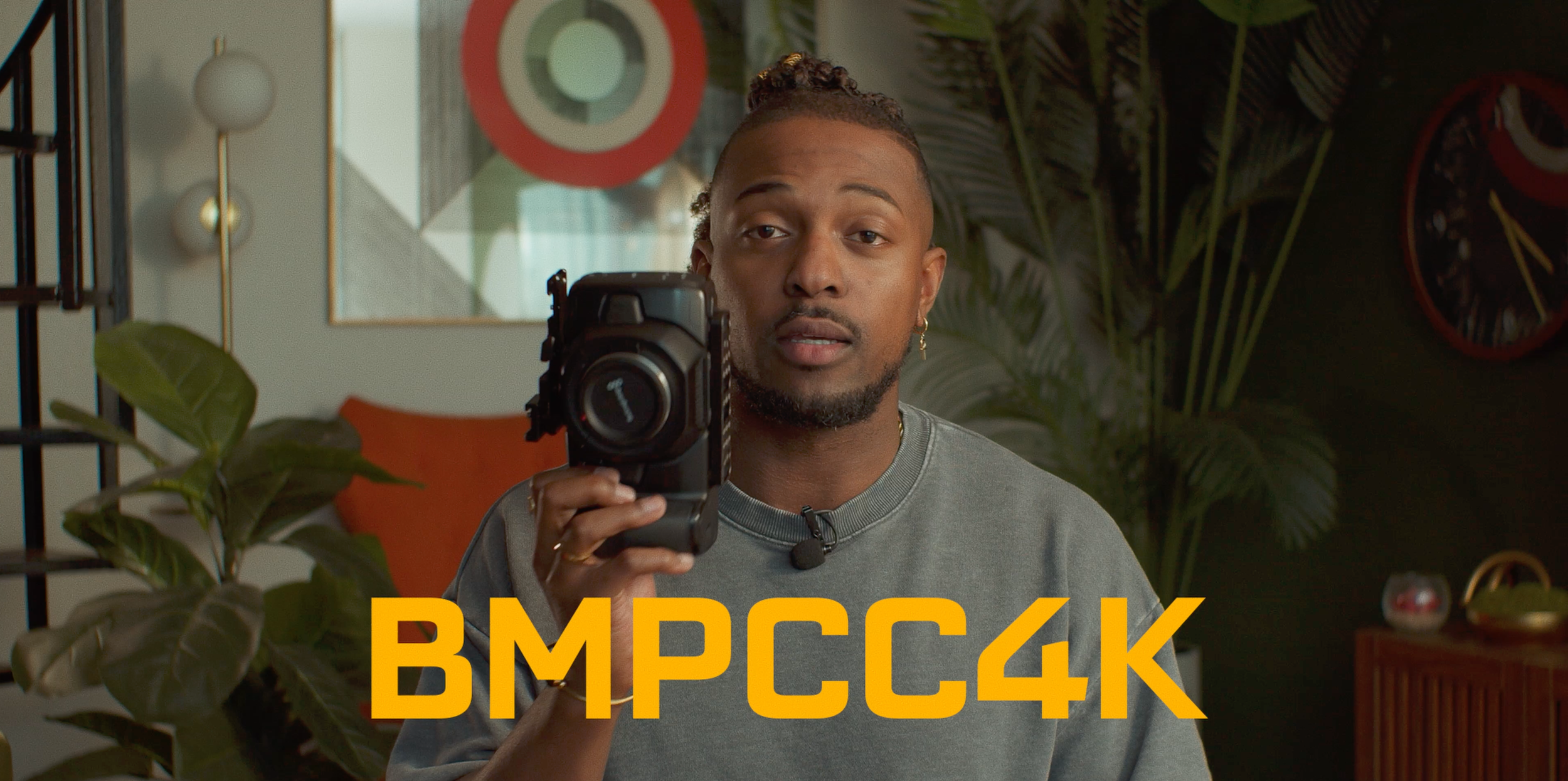
That is kind of wild when you think about the camera industry.
Every year there’s another camera.
Another sensor.
Another six letters to memorize.
Another YouTube thumbnail screaming that your current camera is now COMPLETE TRASH.
Meanwhile, this 2018 camera body is sitting over here like:
“You done yet? We shooting or what?”
And that’s why we still use it.
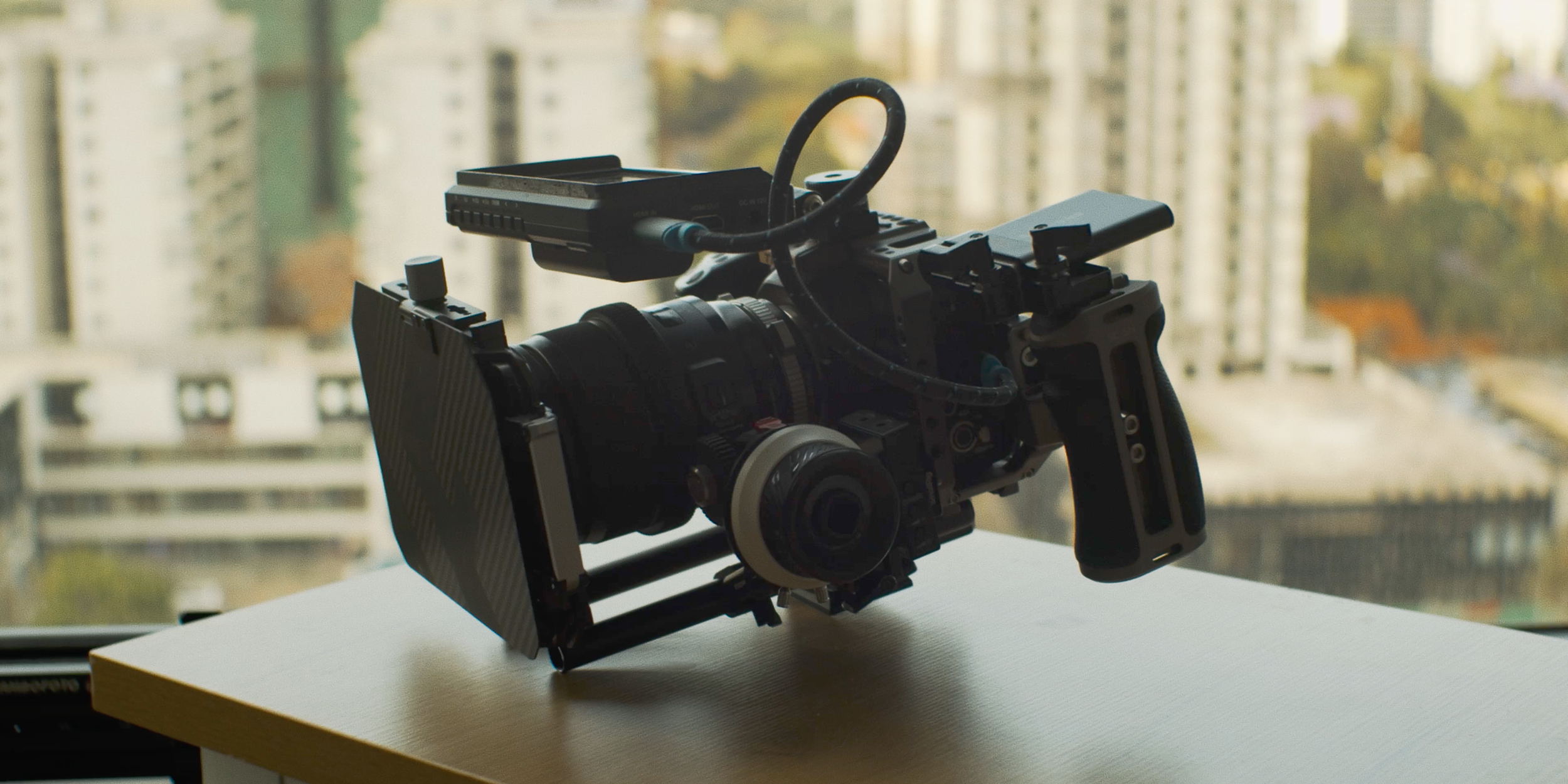
Why It Works So Well for Documentary
Documentary filmmaking has a different set of needs than a big commercial production.
Sure, if I’m walking onto a commercial set with a large crew, controlled lighting, agency representatives and a substantial production budget, there may be plenty of reasons to pull out something beefier.
Documentary is different.
You may be walking through a neighborhood.
Sitting inside somebody’s home.
Following someone through their normal day.
Jumping into a car.
Running through an airport.
Filming something that is happening once and will never happen exactly that way again.
In those moments, I don’t necessarily want a camera package that announces:
HELLO EVERYONE!!!! A FILM PRODUCTION HAS ARRIVED!!!!
Sometimes I want to throw two or three cameras into a backpack or Pelican, grab my lenses, batteries and audio, and move.
That size changes more than transportation.
It changes access.
In the video, I talk about how a smaller camera can attract fewer eyes, feel less intimidating to a participant, and sometimes allow the filmmaker to simply exist in a space instead of turning the entire space into a film set.
That matters tremendously in documentary.
Because authenticity can disappear very quickly when people suddenly become aware of a giant cinema rig sitting six inches from their face.
Sometimes the best camera is the one people eventually forget is there.
And Yes, We Often Shoot HD
Here’s where some camera people might start clutching their pearls.
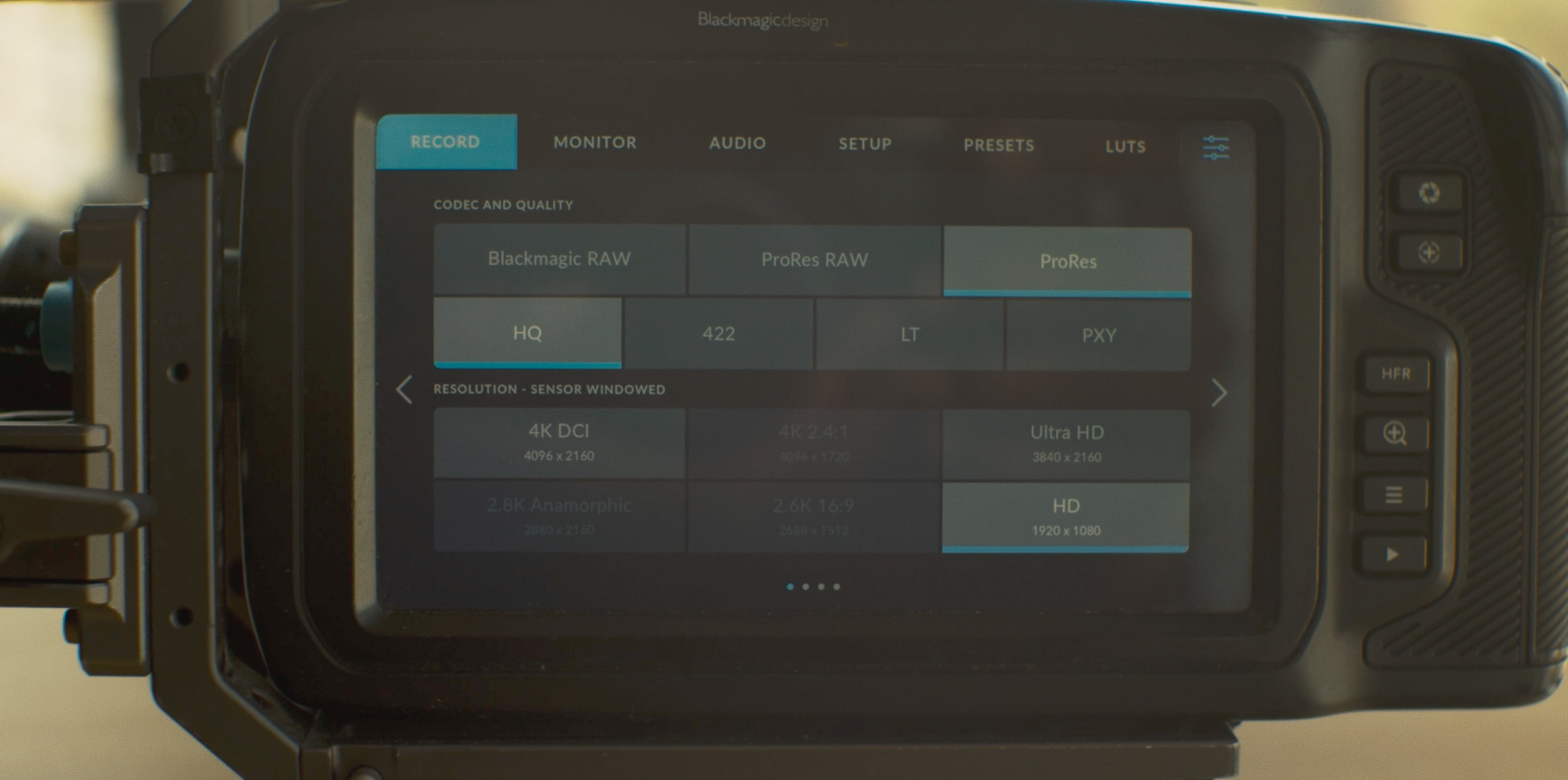
A lot of the time, I’m shooting documentary work in HD ProRes, not 4K or RAW.
Yep. I said it.
For many of the projects we produce, the final destination is going to be YouTube, Vimeo, social, a website, an internal presentation, an event screen, or another compressed digital environment.
Blackmagic officially supports 1920 x 1080 ProRes 422 HQ on the Pocket 4K, along with its higher-resolution recording formats.
For us, HD ProRes HQ can mean smaller files, longer recording times, easier backups, faster transfers, less storage overhead and a much lighter post-production pipeline. (Especially with SSD’s costing more than your mortgage these days lol)
Multiply that across three cameras, multiple shooting days and hours of documentary footage and suddenly this becomes less of a nerdy codec conversation and more of a business decision.
Can HD footage be delivered inside a 4K timeline? Absolutely.
A properly exposed, sharp HD ProRes image can upscale beautifully for many real-world digital deliverables. To be technically precise, upscaling does not magically create image detail that was never captured. But depending on the destination, viewing distance and final compression, a strong HD image can hold up extremely well.
And if the project actually requires native 4K acquisition? Cool. We shoot 4K.
Again, the deliverable determines the workflow. Not ego.
More Resolution Does Not Mean More Story
This is the trap I think a lot of creatives fall into.
8K.
12K.
RAW everything.
New camera every two years.
Meanwhile, nobody has asked whether any of that technology is actually improving the audience’s experience.
An International Documentary Association equipment survey found that roughly 6 in 10 documentary filmmakers spent between $1,000 and $9,999 on new equipment for their most recent film, while 51% said their films were primarily financed with personal money. The same survey found that documentarians highly valued camera ergonomics and small size or low weight, and 66% used a secondary camera on their most recent production.
That tells you something.
Documentary filmmakers are constantly balancing quality against mobility, budget and reality.
So instead of asking:
“What’s the newest camera?”
I think the better question is:
“What is the smartest tool for this story?”
Those are two completely different conversations.
Strategy Before Specs
And this is ultimately where the conversation comes back to the work we’re doing at ICLASS Media Group.
We are increasingly helping organizations before anybody picks up a camera.
Narrative strategy.
Story discovery.
Understanding the audience.
Figuring out what decisions you actually want people to make.
Building the storytelling system.
Then determining what kind of production serves that strategy.
Sometimes that means a larger commercial camera package.
Sometimes it means a three-camera interview.
Sometimes it means one filmmaker, a Pocket 4K and enough room for someone to forget they’re being filmed.
The equipment changes.
The thinking comes first.
That’s the difference between buying production and building a story that actually has somewhere to go.
So yes, we love the Pocket 4K.
But the bigger lesson has very little to do with Blackmagic.
Stop chasing equipment and start choosing tools with intention.
Your audience does not care what camera you bought.
They care whether the story made them feel something.
And if it moved them enough to actually do something afterward?
Now we’re cooking.
And lenses and lighting? Lordt….That’s its own post.
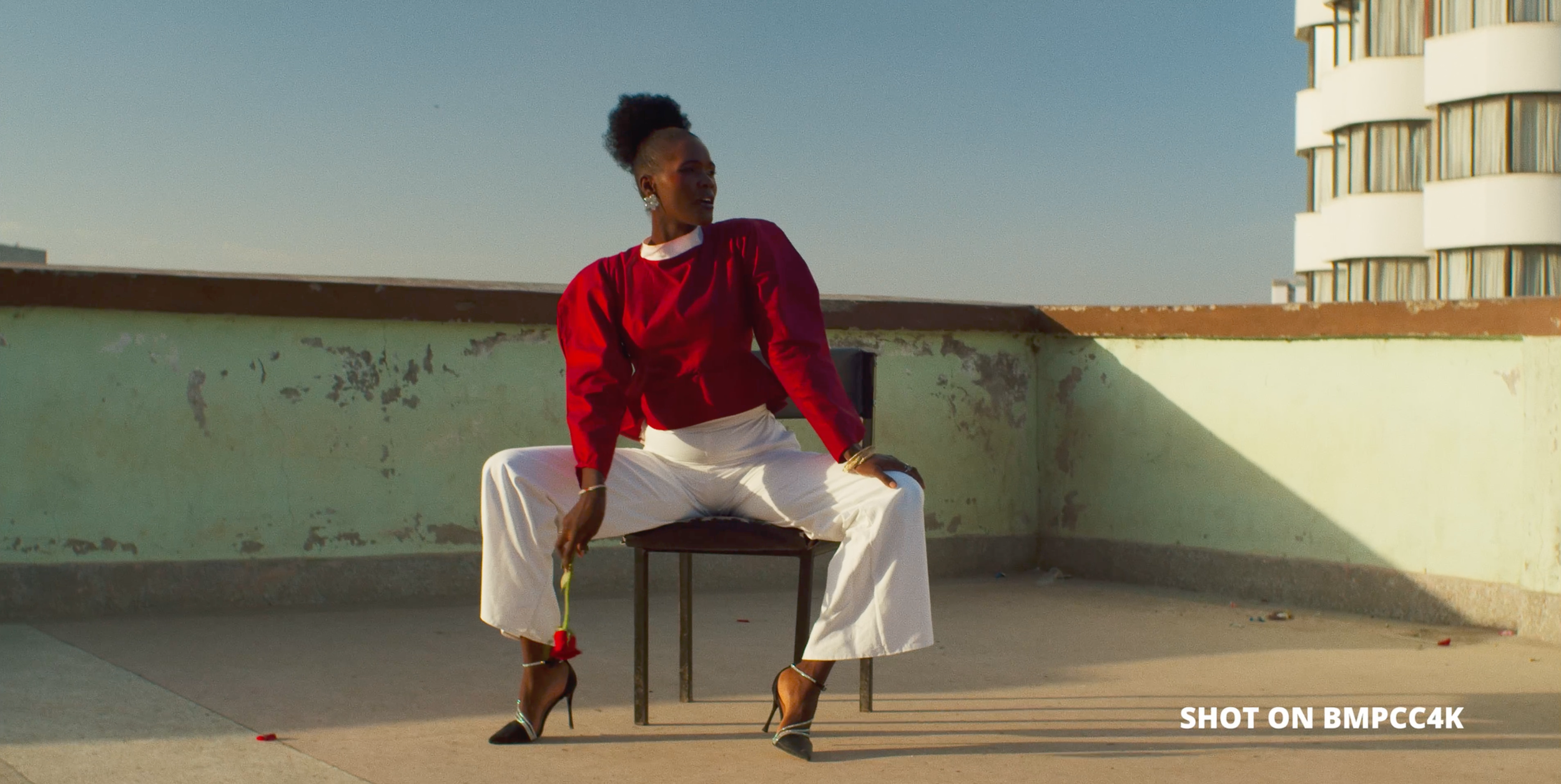
Let’s Find the Story Before We Choose the Camera