The Art of Documentary: What Sets It Apart from Other Forms of Film
Alright, let’s get real. You’ve seen movies. You’ve binge-watched TV. But documentaries? They’re a whole different beast. Unlike scripted films, where everything is planned, rehearsed, and polished, documentaries are alive. They’re messy, raw, and honest. And that messiness? That’s exactly what makes them so powerful.
Take a step back and look at three very different documentaries: Jiro Dreams of Sushi, Unknown: The Lost Pyramid, and Quincy. They couldn’t be more different in tone, style, or story, but each one proves why documentary filmmaking hits differently than other forms of cinema.
Jiro Dreams of Sushi
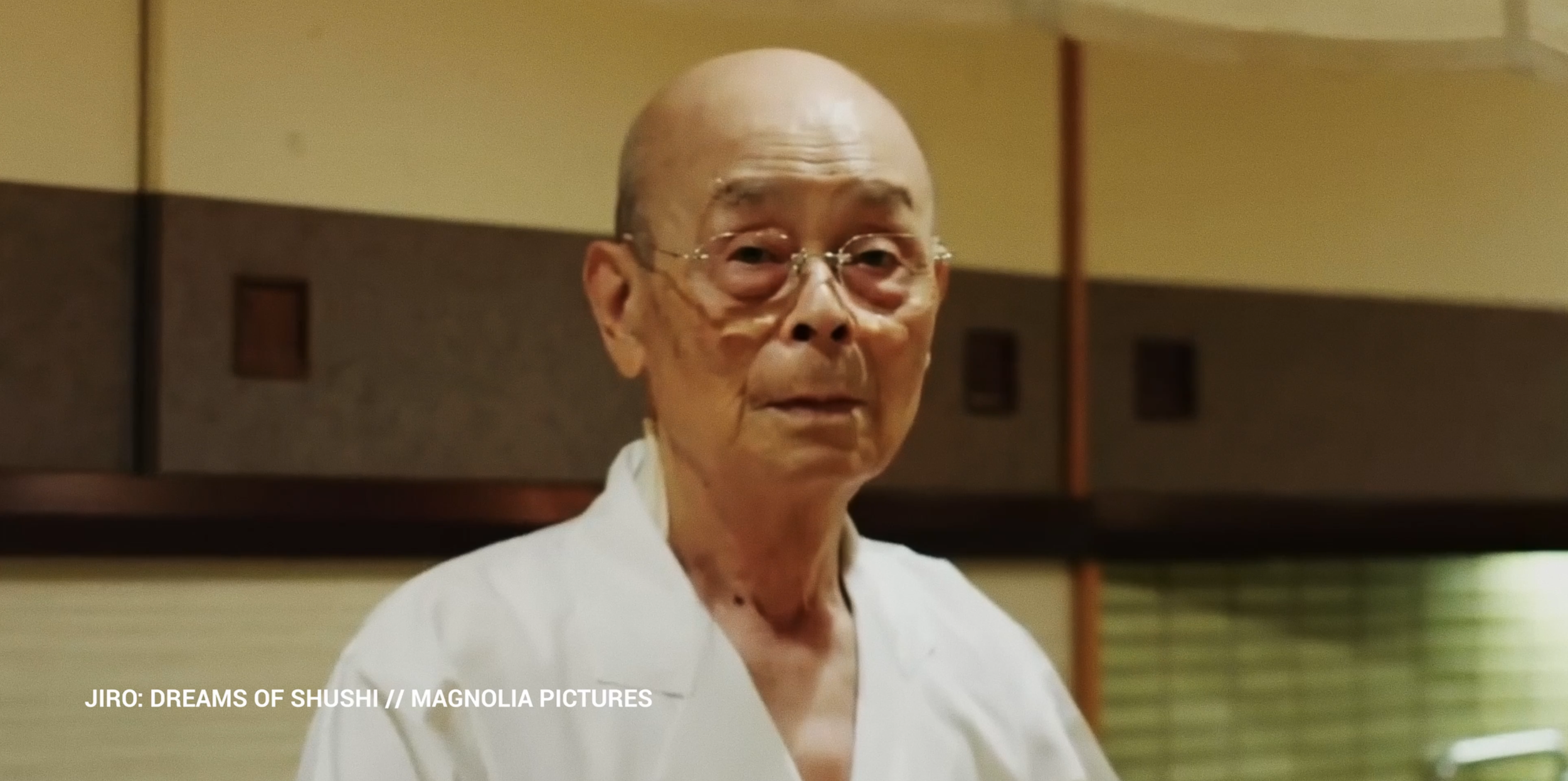
This one is a masterclass in focus and obsession.
It’s about an 85-year-old sushi master in Tokyo who treats making sushi like an Olympic sport. But what makes it a documentary and not just a cooking show? The camera lingers. The sound of slicing fish. The sweat. The quiet intensity of someone pushing themselves toward perfection.
You feel the work. You feel the discipline. You feel the culture.
That’s one of the things documentary does best: it makes the ordinary feel extraordinary without a single scripted line.
Unknown: The Lost Pyramid
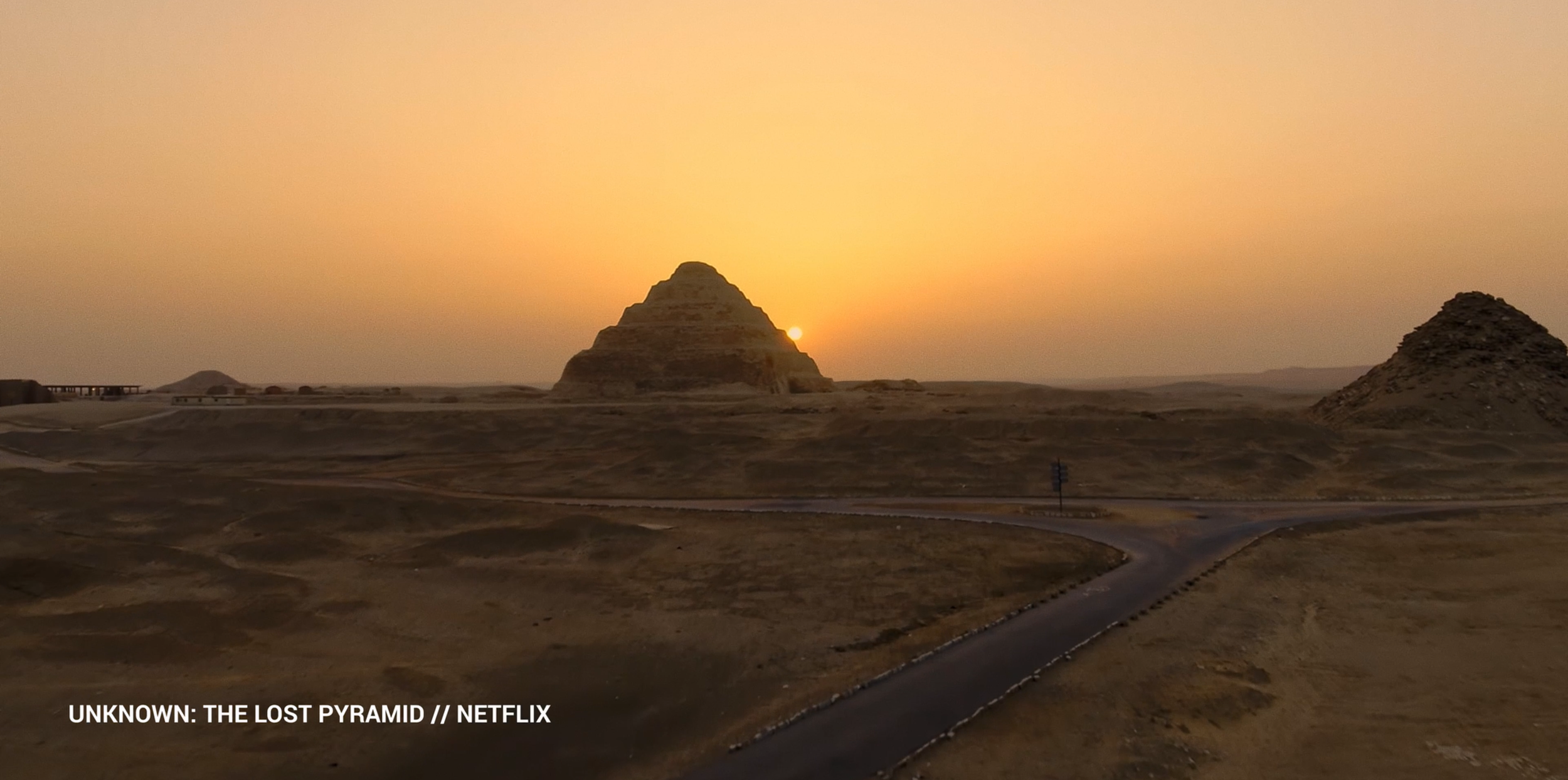
Now let’s go ancient.
This documentary takes us into the desert, uncovering secrets buried for centuries. Unlike scripted adventure films, where you already know the hero will probably survive and the plot will twist right on cue, the tension here comes from reality itself.
The stakes are real.
The discoveries are real.
The uncertainty is real.
And the way the filmmakers use the camera; dusty hands, shifting sand, the feeling of excavation unfolding in real time, pulls you right into it. That’s what a documentary can do. It can turn reality into immersion without manufacturing the stakes - it’s presence.
Quincy
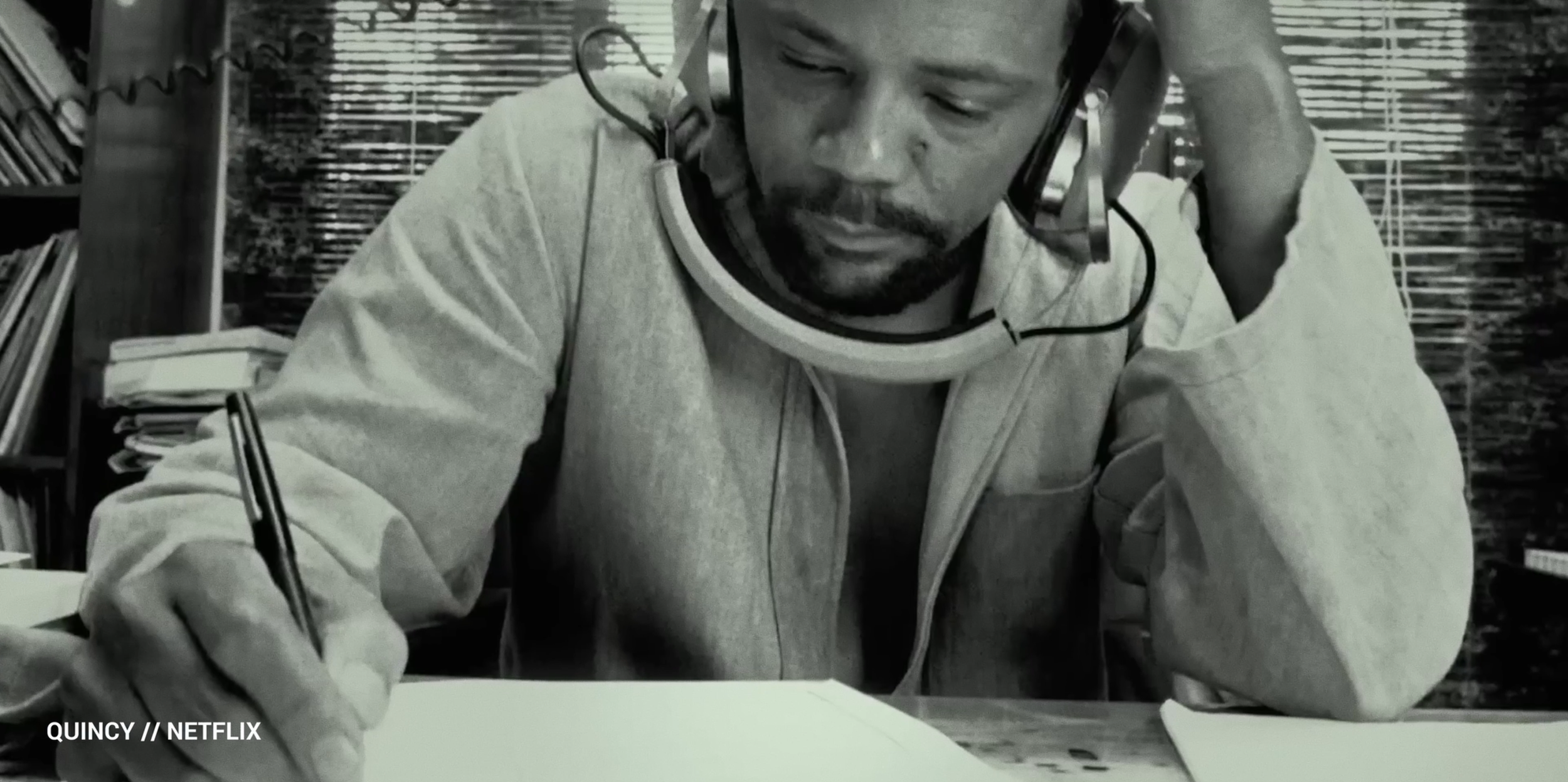
And then there’s Quincy. Music legend Quincy Jones. Decades of culture-shaping work. Genius, struggle, activism, tenderness, influence. All captured in a way that feels like he’s telling you the story himself.
Unlike scripted biopics, which often condense and dramatize a life into neat emotional beats, documentary lets truth breathe. The contradictions stay. The vulnerability stays. Humanity stays. And that’s where documentaries really hit. They connect you to real people living real lives with real stakes.
So, What Makes Documentaries Different?
It’s the lens of authenticity. The patience to let a story unfold naturally. The willingness to sit with silence and truth without rushing to clean it all up.
Documentaries let us explore culture, history, and humanity in ways scripted films often can’t.
When done right, they move hearts, shift perspective, and sometimes inspire action. They give voice to the unheard and make the invisible, visible.
That’s exactly why I’m so passionate about documentary filmmaking, especially when it comes to telling Black, African, and social impact stories.
Because these are the narratives that deserve authenticity, respect, and depth.
The kind that stays with you long after the credits roll.
What Documentary Also Requires
Here’s the part I think people miss sometimes.
What makes a documentary powerful is also what makes it demanding.
You’re dealing with real consequences.
It’s about knowing whether the story is actually ready to be told at all.
That’s where a lot of projects go sideways. Not because the cinematography is weak. Not because the edit is bad. But because the story wasn’t fully clear, the team wasn’t aligned, the ethical risks weren’t thought through, or the visual tone didn’t match what the story was actually asking for.
That’s a huge part of why we created the Impact Storytelling Readiness Checklist at ICLASS Media.
It’s a pre-production alignment tool built to help organizations and storytellers ask better questions before the camera rolls. Questions around:
narrative clarity
institutional alignment
ethical risk
visual tone
and long-term impact planning